Florida Minimum Insurance vs What You Actually Need

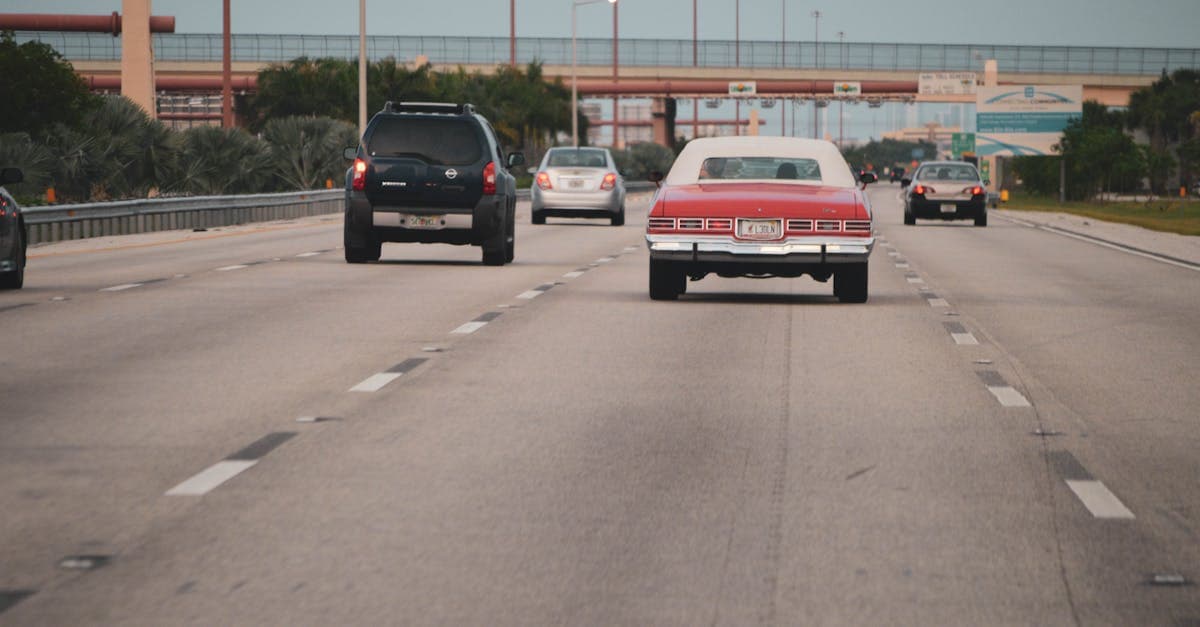
Think of Florida's minimum insurance requirements as buying a house with a roof that only covers half the rooms. You legally own the house, but every time it rains, half your belongings get soaked. Florida's minimums are the basic firewall Florida installs on every driver's financial system through minimum coverage laws — they cover the legal requirement but leave enormous gaps where financial storms pour through.
PIP coverage is like a bandage in your first aid kit. It handles minor wounds — covering 80 percent of medical costs up to $10,000. But if you need surgery, ongoing therapy, or extended hospitalization, that bandage runs out fast and you are on your own for the rest. Property damage liability at $10,000 is like having a credit card with a limit that was set in 1971 and never raised — it might have been adequate fifty years ago, but it barely covers a fender bender today.
The missing bodily injury liability is the biggest gap of all. It is like the security holes that minimum coverage leaves unpatched against major financial attacks. Most states require this coverage because without it, an at-fault driver has no insurance buffer between an accident and personal financial ruin. Florida skips this requirement entirely, leaving drivers to discover the gap only after causing an accident.
Understanding this analogy is key to making smart insurance decisions in Florida. The state sets the floor, but the floor is dangerously low. Building adequate protection means understanding where the gaps are and deliberately choosing to fill them based on your financial situation, your driving habits, and your risk tolerance.
The Missing Coverage: Why Florida Skips Bodily Injury Liability
When we analyze the data, Florida is one of only two states that do not require drivers to carry bodily injury liability insurance. This means if you cause an accident and injure someone, there is no mandatory insurance to cover their medical bills, lost wages, or pain and suffering. Understanding this gap is critical for every Florida driver.
What bodily injury liability covers: In states that require it, BIL pays for injuries you cause to other people in an at-fault accident. It covers their medical expenses, rehabilitation costs, lost income, and in some cases pain and suffering. Without this coverage, every dollar of these costs falls on you personally.
Why Florida does not require it: Florida's no-fault system was designed so that each driver's own PIP coverage handles their medical expenses, reducing the need for one driver to sue another. In theory, PIP handles medical costs and the tort threshold limits lawsuits to serious injuries. In practice, PIP's $10,000 limit is exhausted quickly, and serious injury lawsuits proceed with no bodily injury coverage to satisfy the judgment.
The financial exposure: If you cause an accident that seriously injures another person — broken bones, head trauma, spinal injuries — medical costs can reach $100,000 to $500,000 or more. Without bodily injury liability, a court judgment for these costs comes directly from your personal assets. Your savings, your home equity, and your future wages can all be seized to satisfy the judgment.
When Florida requires BIL after the fact: Florida's financial responsibility law requires bodily injury liability of 10/20 ($10,000 per person, $20,000 per accident) after an at-fault bodily injury accident or certain violations. This retroactive requirement means the state acknowledges the need for BIL but only mandates it after you have demonstrated why you need it.
The recommendation: Nearly every insurance professional recommends Florida drivers carry bodily injury liability of at least 50/100 ($50,000 per person, $100,000 per accident) and preferably 100/300. The cost is a fraction of the potential exposure, and it converts a catastrophic personal liability into a manageable insurance premium.
Florida's Personal Injury Protection Requirement
The statistics paint a clear picture. Personal injury protection is the cornerstone of Florida's minimum insurance requirements, and it is the basic firewall Florida installs on every driver's financial system through minimum coverage laws. Every registered vehicle in Florida must carry PIP coverage with a minimum limit of $10,000. This coverage pays your own medical expenses after a car accident regardless of who caused it.
What PIP covers: PIP pays 80 percent of reasonable and necessary medical expenses resulting from an auto accident, up to your $10,000 policy limit. This includes hospital visits, surgery, physical therapy, diagnostic imaging, and other medically necessary treatments. The 20 percent you pay out of pocket is your coinsurance responsibility.
Lost wage benefits: PIP also covers 60 percent of lost wages when injuries prevent you from working. However, this benefit shares the $10,000 limit with medical expenses. Every dollar paid for lost wages reduces the amount available for medical treatment, which means the combined coverage disappears faster than many drivers expect.
Death benefits: Florida PIP includes a $5,000 death benefit payable to the estate of a policyholder killed in a covered accident. This amount has not changed since the original no-fault legislation and is widely considered inadequate by modern standards.
Who is covered: Your PIP coverage extends beyond just you as the policyholder. It covers family members living in your household, passengers in your vehicle who do not have their own PIP, and you as a pedestrian or cyclist struck by a vehicle. This broad coverage base is one of the advantages of the no-fault system.
Florida Minimum Coverage vs What Experts Actually Recommend
When we analyze the data, The gap between what Florida requires and what insurance professionals recommend is wider than in almost any other state. Closing this gap is upgrading from Florida's default settings to a fully secured insurance configuration — it is the difference between legal compliance and genuine financial protection.
Florida's minimum: PIP at $10,000 and property damage liability at $10,000. Total required coverage: $20,000 across two coverages. No bodily injury liability, no uninsured motorist coverage, no collision, no comprehensive.
Expert recommendation for most drivers: Bodily injury liability at 100/300 ($100,000 per person, $300,000 per accident), property damage liability at $100,000, PIP at $10,000 (the only available limit), uninsured/underinsured motorist coverage at 100/300, comprehensive and collision with appropriate deductibles. This package provides meaningful protection against the real risks Florida drivers face.
The cost difference: Moving from minimum to recommended coverage in Florida typically costs an additional $1,000 to $2,000 per year depending on your driving record, location, and vehicle. While this is significant, it represents pennies compared to the potential exposure of a serious at-fault accident with only minimum coverage.
The middle ground: If recommended coverage is beyond your budget, prioritize bodily injury liability at 50/100 and uninsured motorist coverage at the same level. These two additions address the most dangerous gaps in Florida's minimum requirements. Even modest bodily injury coverage provides a buffer that minimums lack entirely.
Why financial advisors agree: Every financial advisor working with Florida clients recommends coverage well beyond state minimums. The reason is simple: a single at-fault accident with serious injuries can wipe out years of savings, trigger wage garnishment, and even force bankruptcy. No responsible financial plan relies on minimum auto insurance in a state with no bodily injury requirement.
How Much Does Car Insurance Actually Cost in Florida?
The statistics paint a clear picture. Florida consistently ranks among the most expensive states for auto insurance, a reality that affects every coverage decision drivers make. Understanding what drives these costs helps you find savings without sacrificing essential protection.
Average premium by coverage level: Minimum coverage in Florida (PIP and PDL only) averages between $800 and $1,500 annually depending on your location, age, driving record, and vehicle. Full coverage with recommended liability limits, comprehensive, and collision averages $2,500 to $4,500 annually. Drivers in Miami, Orlando, and Tampa often pay significantly more than the state average.
Why Florida premiums are so high: Multiple factors drive Florida's elevated premiums. The state has high traffic density, frequent severe weather, a large uninsured driver population that shifts costs to insured drivers, and a legal environment that generates significant insurance litigation. PIP fraud has historically been a major premium driver, adding billions in fraudulent claims to the system.
Location-based pricing: Your Florida zip code significantly affects your premium. Miami-Dade County consistently has the highest premiums in the state due to dense traffic, high accident rates, and elevated fraud activity. Rural areas in north and central Florida generally have lower premiums, though weather risk can be significant.
How to reduce your Florida premium: Bundle auto and homeowners or renters insurance for multi-policy discounts. Maintain a clean driving record for safe driver discounts. Complete a defensive driving course for an additional reduction. Increase deductibles if you have adequate savings to absorb higher out-of-pocket costs. Compare quotes from at least five insurers because rate differences in Florida can be dramatic.
The cost of being underinsured: While high premiums tempt many Florida drivers to carry minimums, the cost of being underinsured after a serious accident dwarfs the premium savings. A single at-fault injury accident without bodily injury coverage can cost more out of pocket than a lifetime of adequate insurance premiums.
Florida's Personal Injury Protection Requirement
The statistics paint a clear picture. Personal injury protection is the cornerstone of Florida's minimum insurance requirements, and it is the basic firewall Florida installs on every driver's financial system through minimum coverage laws. Every registered vehicle in Florida must carry PIP coverage with a minimum limit of $10,000. This coverage pays your own medical expenses after a car accident regardless of who caused it.
What PIP covers: PIP pays 80 percent of reasonable and necessary medical expenses resulting from an auto accident, up to your $10,000 policy limit. This includes hospital visits, surgery, physical therapy, diagnostic imaging, and other medically necessary treatments. The 20 percent you pay out of pocket is your coinsurance responsibility.
Lost wage benefits: PIP also covers 60 percent of lost wages when injuries prevent you from working. However, this benefit shares the $10,000 limit with medical expenses. Every dollar paid for lost wages reduces the amount available for medical treatment, which means the combined coverage disappears faster than many drivers expect.
Death benefits: Florida PIP includes a $5,000 death benefit payable to the estate of a policyholder killed in a covered accident. This amount has not changed since the original no-fault legislation and is widely considered inadequate by modern standards.
Who is covered: Your PIP coverage extends beyond just you as the policyholder. It covers family members living in your household, passengers in your vehicle who do not have their own PIP, and you as a pedestrian or cyclist struck by a vehicle. This broad coverage base is one of the advantages of the no-fault system.
Florida Minimum Coverage vs What Experts Actually Recommend
When we analyze the data, The gap between what Florida requires and what insurance professionals recommend is wider than in almost any other state. Closing this gap is upgrading from Florida's default settings to a fully secured insurance configuration — it is the difference between legal compliance and genuine financial protection.
Florida's minimum: PIP at $10,000 and property damage liability at $10,000. Total required coverage: $20,000 across two coverages. No bodily injury liability, no uninsured motorist coverage, no collision, no comprehensive.
Expert recommendation for most drivers: Bodily injury liability at 100/300 ($100,000 per person, $300,000 per accident), property damage liability at $100,000, PIP at $10,000 (the only available limit), uninsured/underinsured motorist coverage at 100/300, comprehensive and collision with appropriate deductibles. This package provides meaningful protection against the real risks Florida drivers face.
The cost difference: Moving from minimum to recommended coverage in Florida typically costs an additional $1,000 to $2,000 per year depending on your driving record, location, and vehicle. While this is significant, it represents pennies compared to the potential exposure of a serious at-fault accident with only minimum coverage.
The middle ground: If recommended coverage is beyond your budget, prioritize bodily injury liability at 50/100 and uninsured motorist coverage at the same level. These two additions address the most dangerous gaps in Florida's minimum requirements. Even modest bodily injury coverage provides a buffer that minimums lack entirely.
Why financial advisors agree: Every financial advisor working with Florida clients recommends coverage well beyond state minimums. The reason is simple: a single at-fault accident with serious injuries can wipe out years of savings, trigger wage garnishment, and even force bankruptcy. No responsible financial plan relies on minimum auto insurance in a state with no bodily injury requirement.
How Florida's No-Fault Insurance System Works
The statistics paint a clear picture. Florida's no-fault system fundamentally changes how auto accident claims work compared to traditional tort states. Understanding this system is upgrading from Florida's default settings to a fully secured insurance configuration because it affects every aspect of your coverage decisions and claim experience.
The no-fault concept: In a no-fault state, each driver's own insurance pays their medical expenses regardless of who caused the accident. If another driver runs a red light and hits you, your PIP coverage pays your medical bills — not the at-fault driver's insurance. This eliminates the need to determine fault before receiving medical payment, which speeds up the claims process.
How fault still matters: Despite being a no-fault state, fault is not irrelevant in Florida. The at-fault driver's property damage liability pays for vehicle damage. And when injuries exceed the serious injury threshold — significant and permanent loss of an important bodily function, permanent injury, significant and permanent scarring or disfigurement, or death — the injured party can step outside the no-fault system and sue the at-fault driver.
PIP as the foundation: The no-fault system works because PIP provides immediate medical coverage. Your PIP pays 80 percent of your medical bills up to $10,000 without waiting for fault determination, insurance negotiations, or litigation. This speed of payment is the primary advantage of the no-fault approach.
Limitations of no-fault: The system's weaknesses become apparent with serious injuries. A $10,000 PIP limit is exhausted quickly when injuries require surgery, extended hospitalization, or ongoing therapy. Once PIP is exhausted, the injured driver must rely on health insurance, bodily injury claims against the at-fault driver, or personal savings to cover remaining medical costs.
The litigation threshold: Florida's tort threshold allows lawsuits only for serious injuries as defined by statute. This means drivers with moderate injuries — painful but not permanent — may be unable to sue the at-fault driver even when PIP is exhausted. This gap in the system leaves some accident victims with medical bills and no clear path to full recovery.
Florida SR-22 Requirements: What Triggers Them and How They Work
When we analyze the data, An SR-22 filing is Florida's mechanism for ensuring that drivers who have demonstrated high risk maintain adequate insurance coverage. Understanding when an SR-22 is required and how it works helps you navigate this requirement if it ever applies to you.
What an SR-22 is: An SR-22 is not a type of insurance — it is a certificate your insurer files with the state proving you carry the required minimum coverage. In Florida, an SR-22 certifies that you carry bodily injury liability of at least 10/20 ($10,000 per person, $20,000 per accident) plus the standard PIP and PDL minimums.
Common triggers for SR-22 in Florida: DUI or DWI convictions, at-fault accidents involving bodily injury while uninsured, driving with a suspended or revoked license, accumulating too many points on your driving record, and failure to maintain required insurance coverage after a triggering event.
Duration of the requirement: Florida typically requires SR-22 filing for three years from the date of license reinstatement. During this period, your insurer continuously certifies your coverage. If your policy lapses or is cancelled for any reason, the insurer files an SR-26 notification with the state, and your license is suspended again.
Cost impact: The SR-22 filing itself costs $15 to $25, but the real cost is the dramatic increase in insurance premiums. Drivers with SR-22 requirements typically pay 50 to 200 percent more for auto insurance because the underlying violation — DUI, uninsured accident, license suspension — places them in the highest risk category. These elevated premiums persist for the full three-year filing period and often beyond.
Finding SR-22 coverage: Not all Florida insurers offer SR-22 filings. If your current insurer does not, you may need to switch to a carrier that specializes in high-risk drivers. Shopping multiple carriers is essential because premium differences for SR-22 policies can be enormous. The Florida Automobile Joint Underwriting Association provides coverage of last resort for drivers who cannot find insurance in the voluntary market.
Take Action on Your Florida Coverage Today
Understanding Florida's minimum insurance requirements is only valuable if you act on that knowledge. Here is what to do right now.
First, pull out your auto insurance declarations page and confirm what coverage you actually carry. Check your PIP limit and deductible, your property damage liability limit, and whether you have bodily injury liability and uninsured motorist coverage. If any of these are missing or at minimum levels, you have identified gaps that need attention.
Second, get quotes for increased coverage. Specifically, price out bodily injury liability at 100/300, property damage liability at $100,000, and uninsured motorist coverage at 100/300. The premium increase may be less than you expect, and the protection increase is enormous.
Third, review your PIP deductible. If you have robust health insurance, a higher PIP deductible may save premium dollars that are better spent on bodily injury or UM coverage. If you lack health insurance, keep your PIP deductible low because it is your primary medical coverage after an accident.
Florida's minimum insurance is upgrading from Florida's default settings to a fully secured insurance configuration. But meeting the minimum is just the starting point. Take thirty minutes this week to review your coverage, compare quotes, and close the gaps that Florida's minimums leave wide open. Your financial future may depend on the decisions you make today about the coverage you carry tomorrow.
Continue reading

Coverage Limits Compared: How to Spot the Differences Between Insurance Quotes
Two quotes with identical premiums can have vastly different coverage limits. Knowing how to identify and compare these limits ensures you select the policy that actually protects your assets.
Why Your Policy Renewal Date Is the Perfect Time for a Checkup
Your annual renewal notice is a natural prompt to review your coverage. Using renewal as your checkup trigger ensures you never go more than twelve months without evaluating your protection.

Assignment of Benefits and Water Damage Claims: A Common Scenario
Water mitigation companies frequently ask homeowners to sign AOBs after pipe bursts and floods. Learn why water damage claims are the most common setting for AOB agreements.