Insurance Insights & Guidance
Coverage Review
Honest, thorough reviews of insurance policies, providers, and coverage strategies.

Coverage Limits Compared: How to Spot the Differences Between Insurance Quotes
Two quotes with identical premiums can have vastly different coverage limits. Knowing how to identify and compare these limits ensures you select the policy that actually protects your assets.

More Stories
Why Your Policy Renewal Date Is the Perfect Time for a Checkup
Your annual renewal notice is a natural prompt to review your coverage. Using renewal as your checkup trigger ensures you never go more than twelve months without evaluating your protection.

Assignment of Benefits and Water Damage Claims: A Common Scenario
Water mitigation companies frequently ask homeowners to sign AOBs after pipe bursts and floods. Learn why water damage claims are the most common setting for AOB agreements.

What Causes Insurance Claim Delays and How to Avoid Them
Missing documentation, adjuster backlogs, disputed coverage, and contractor availability are the most common causes of claim delays. Addressing each one proactively keeps your timeline on track.

Temporary Repairs Before Filing a Claim: What You Should and Should Not Do
Your policy requires you to prevent further damage, but making the wrong repairs before filing can hurt your claim. Understanding the balance between mitigation and premature repair is critical.

Ignoring Policy Riders That Could Save Your Family Thousands
Life insurance riders like waiver of premium, accelerated death benefit, and guaranteed insurability add valuable protection at modest cost. Overlooking these options means missing features that could prove essential.
Whole Life Insurance Illustrations: Dividends, Guarantees, and Projections
Whole life illustrations show guaranteed cash values and death benefits alongside non-guaranteed dividend projections. The dividend scale assumption significantly affects projected long-term performance.

Who Pays for the Life Insurance Medical Exam?
The life insurance company pays for the medical exam. There is no cost to the applicant. The insurer arranges and funds the examination as part of their underwriting process.

The Contestability Period: When Your Life Insurance Can Be Challenged After Approval
The two-year contestability period allows insurers to investigate and potentially deny claims if they discover material misrepresentation on the original application. Understanding this period protects beneficiaries.

Can You Borrow From Term Life Insurance? Why the Answer Is No
Term life insurance does not build cash value and therefore cannot be borrowed against. Only permanent life insurance policies like whole life and universal life accumulate the cash value needed for policy loans.

Surrendering a Life Insurance Policy: What You Get and What You Lose
Surrendering a permanent life insurance policy pays you the net cash surrender value but terminates all coverage. Surrender charges, tax consequences, and lost benefits make this a decision that requires careful analysis.

Death Benefits in Term Life Insurance: Simple, Affordable, and Time-Limited
Term life insurance provides a death benefit for a specific period — typically 10, 20, or 30 years. If you die during the term, your beneficiaries receive the full face amount.

Contingent Beneficiaries: Your Backup Plan When the Primary Cannot Receive Proceeds
A contingent beneficiary receives your death benefit if the primary beneficiary cannot. Without a contingent, the proceeds default to your estate if the primary beneficiary has passed away.

Updating Beneficiaries After Major Life Events
Marriage, divorce, births, deaths, and other life changes all warrant a beneficiary review. Failing to update your designations after major events can send your death benefit to an ex-spouse or exclude a new child.

Life Insurance Beneficiary vs Your Will: Which One Controls the Payout
Your beneficiary designation on the life insurance policy overrides your will. Even if your will says one thing, the insurance company pays whoever is named on the beneficiary form.

Why Naming Your Estate as Life Insurance Beneficiary Is Usually a Mistake
When your estate is the beneficiary, life insurance proceeds go through probate, face potential creditor claims, and may be subject to estate taxes. Direct beneficiary designations avoid these costly problems.

Protecting Your Family's Home: Life Insurance as Mortgage Insurance
Life insurance is the most effective way to ensure your family keeps their home after your death. The death benefit can pay off the mortgage entirely, eliminating the monthly obligation.

How Much Life Insurance Do You Need Without Kids?
Without children, your life insurance needs are typically lower but not zero. Calculate coverage based on shared debts, income replacement for a partner, final expenses, and any other obligations.

When Does Term Life Insurance Make More Sense Than Whole Life?
Term life is typically better when you need maximum coverage for minimum cost, when your insurance need is temporary, when your budget is tight, or when you prefer to invest separately from your insurance.

How to Read a Universal Life Insurance Policy Illustration
Policy illustrations project how a universal life policy may perform under guaranteed and current assumptions. Understanding the difference between these projections prevents unrealistic expectations about cash value growth.

Is Whole Life Insurance a Good Investment? Analyzing the Returns
Whole life insurance offers guaranteed cash value growth plus potential dividends, but returns typically lag stock market averages. Evaluating whole life as an investment requires understanding its unique tax and protection benefits.

How Much Does Term Life Insurance Cost? A Pricing Guide by Age and Health
Term life insurance premiums depend on age, health, coverage amount, and term length. A healthy thirty-year-old can get a million dollars of coverage for as little as forty to sixty dollars per month.

How Dual-Income Households Should Calculate Life Insurance Needs
When both spouses earn income, each needs life insurance based on how the surviving spouse would manage financially alone. The calculation differs from single-income households significantly.

Business Owners and Life Insurance: Protecting the Company You Built
Business owners buy life insurance to fund buy-sell agreements, protect against key person loss, secure business loans, and ensure the company survives even if the founder does not.

Life Insurance Beneficiaries: Who Gets the Money and How
Choosing the right beneficiary for your life insurance policy is one of the most important decisions you make. This guide covers primary and contingent beneficiaries, trusts, and common mistakes to avoid.

Private Flood Insurance Options for Renters Beyond the NFIP
Private flood insurers offer contents-only policies for renters that may include broader coverage, replacement cost valuation, and additional living expense benefits not available through standard NFIP policies.

Condo Flood Insurance and Your Mortgage: What Lenders Require
Mortgage lenders require flood insurance for condos in high-risk flood zones. Understanding whether your lender requires building-level or unit-level coverage helps you comply with loan requirements and protect your investment.
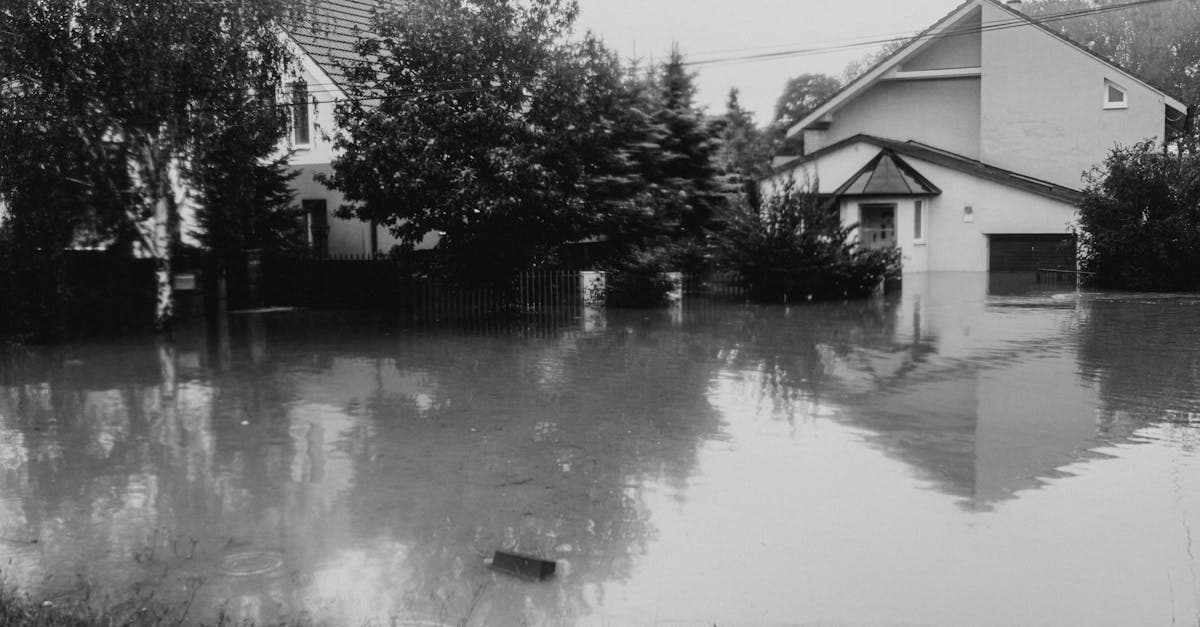
What Percentage of Flood Claims Come From Outside High-Risk Zones?
According to FEMA data, more than 25 percent of flood insurance claims and one-third of federal disaster assistance for flooding go to properties outside high-risk flood areas.

How Percentage-Based Hurricane Deductibles Multiply Your Financial Exposure
A 2 percent hurricane deductible on a $400,000 home means $8,000 per occurrence. If two hurricanes strike in one season under a per-occurrence policy, that is $16,000 in deductibles before insurance pays a dollar.

Hurricane Deductible Timing: Before Landfall, During, and After the Storm
The timing of when hurricane conditions exist in your area determines whether the hurricane deductible applies. Damage sustained before or after official hurricane conditions may use your standard deductible.

How Much Can You Save by Choosing a Higher Hurricane Deductible in Florida?
Choosing a higher hurricane deductible percentage can reduce your annual premium by hundreds of dollars. But those savings come with significantly higher out-of-pocket costs when a hurricane damages your home.

How Much Should You Budget for Your Hurricane Deductible?
Financial advisors recommend setting aside cash equal to your hurricane deductible before each hurricane season. Knowing this number and having the funds ready prevents financial hardship after a storm.

Wind-Driven Rain Damage: When Water Damage Is Actually a Wind Claim
When wind breaks a window or tears off shingles, rain entering through the opening causes interior water damage. This wind-driven rain damage is covered under your homeowners policy as wind damage.

Homeowners Insurance Water Damage vs Flood Insurance Water Damage: The Distinction
The source and behavior of water determines which policy responds. Water from internal sources like pipes is a homeowners claim. Water rising from external sources is a flood claim. The distinction matters enormously.

Does Flood Insurance Cover Your Car? Understanding Vehicle Exclusions
Flood insurance does not cover vehicles damaged by floodwater. Car, truck, and motorcycle flood damage falls under your auto insurance comprehensive coverage, not your flood policy. Many homeowners learn this too late.

Does Flood Insurance Cover Drywall and Interior Walls After a Flood?
Flood insurance building coverage pays to replace damaged drywall, plaster, and interior wall finishes up to the flood line. Wall repair is one of the largest single expenses in flood recovery.

Should You Keep Flood Insurance After Paying Off Your Florida Mortgage?
Paying off your mortgage removes the legal requirement for flood insurance but does not reduce your flood risk. Dropping coverage after payoff is one of the riskiest financial decisions a Florida homeowner can make.

Do You Need Flood Insurance if You Are Not in a Flood Zone in Florida?
Even Florida properties outside high-risk flood zones experience flooding. Over 25 percent of flood insurance claims come from moderate and low-risk zones. The absence of a mandate does not mean the absence of risk.
The 30-Day Waiting Period for Flood Insurance: What You Need to Know
Most flood insurance policies have a 30-day waiting period before coverage takes effect. You cannot purchase flood insurance when a storm is approaching and expect immediate protection.
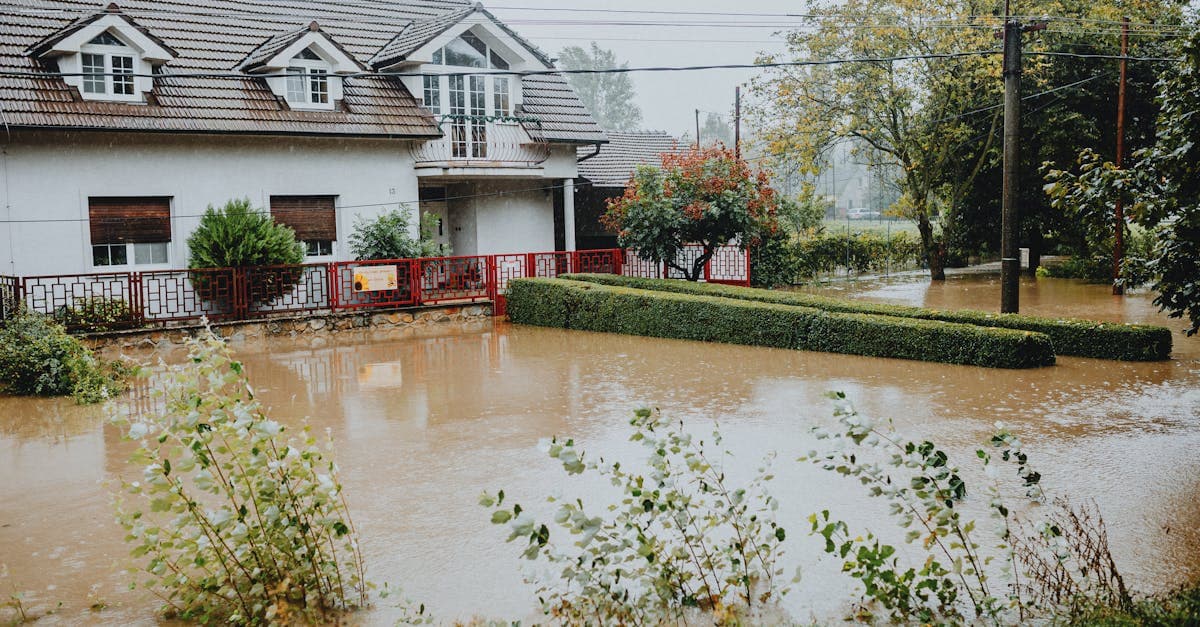
NFIP Flood Insurance: The Federal Program That Fills Your Homeowners Gap
The National Flood Insurance Program was created because private insurers would not cover flood risk. NFIP policies provide up to $250,000 in building coverage and $100,000 in contents coverage for residential properties.

Named Storm Deductibles vs Hurricane Deductibles in Florida Policies
Some Florida policies use named storm deductibles instead of hurricane deductibles, and the triggers are different. Knowing which type your policy contains affects how much you pay out of pocket after a storm.

Bathroom Renovation and Homeowners Insurance: What Changes
A bathroom renovation with premium tile, custom vanity, heated floors, and upgraded fixtures increases your home's replacement cost. Updating your dwelling coverage after bathroom work prevents coverage gaps.

Deductible Information on Your Homeowners Declarations Page Explained
Your declarations page lists every deductible that applies to your policy. Knowing your deductible amounts before a loss occurs helps you budget for your share of any claim.

The Role of Contractor Estimates in Your Insurance Claim
Independent contractor estimates provide a professional assessment of repair costs that can support or challenge your insurer's damage estimate. Getting multiple estimates gives you leverage when negotiating your settlement amount.
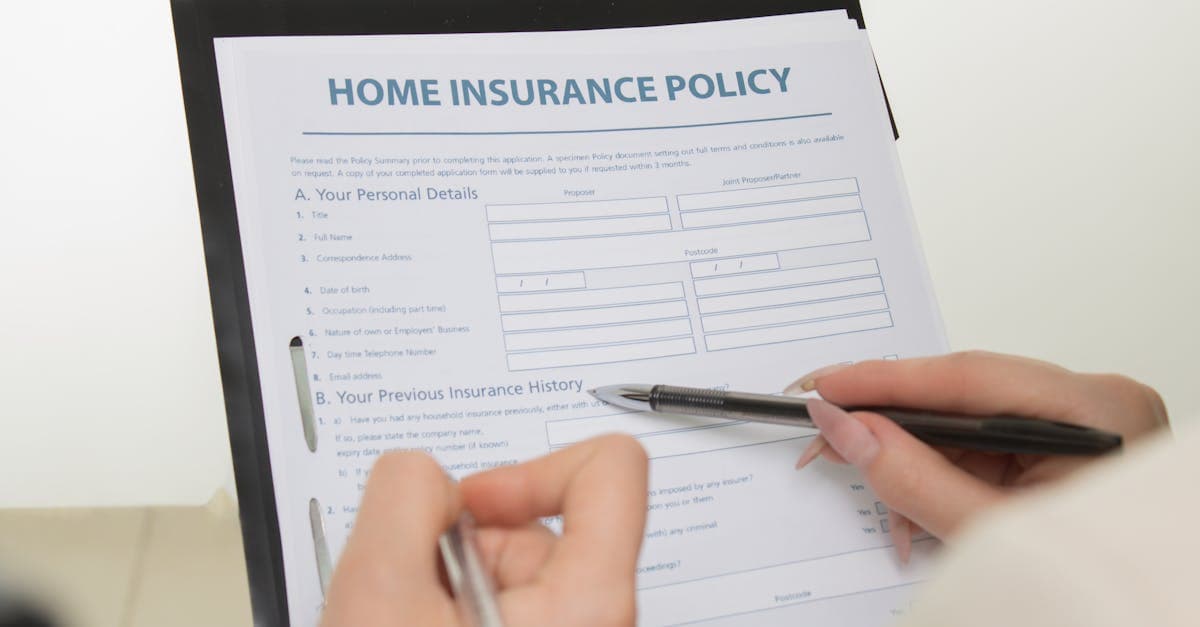
What Happens to Your Escrow Account When You Switch Insurance Mid-Policy?
If your premiums are paid through an escrow account, switching insurers mid-term triggers an escrow analysis and adjustment. Understanding this process prevents confusion about payment timing and refund routing.

Liability Coverage Review: Is Your Limit Still Adequate at Renewal?
Your personal liability limit should reflect your current net worth and asset exposure. A pre-renewal review ensures your Coverage E limit still provides meaningful financial protection.

What Is a Hard Insurance Market and How Does It Raise Your Premium?
In a hard market, insurers tighten underwriting, reduce coverage availability, and raise premiums industry-wide. Understanding market cycles explains why your premium can rise even with a clean claims record.

Filing Multiple Home Insurance Claims in One Year: How Deductibles Apply
Each separate covered event triggers its own deductible. If two storms damage your home months apart, you pay two deductibles. Understanding this rule helps you plan your claims strategy.

Seven Factors That Determine How Much Homeowners Insurance You Need
Your coverage needs depend on rebuilding costs, property values, liability exposure, local risks, mortgage requirements, and your personal financial situation. Evaluating each factor systematically ensures you carry the right amount of every coverage type.

Actual Cash Value for Personal Property in Homeowners Policies
Your furniture, electronics, and clothing all depreciate rapidly. Under ACV coverage, your personal property claim payout may cover only a fraction of what replacements actually cost.

Should You Upgrade From Actual Cash Value to Replacement Cost Coverage?
Upgrading from ACV to replacement cost coverage increases your premium but dramatically improves your claim payouts. For most homeowners, the additional cost is well worth the improved protection.

How to Create a Home Inventory for Personal Property Coverage
A detailed home inventory documents every item you own, supporting your personal property claim and ensuring you receive full compensation after a loss.
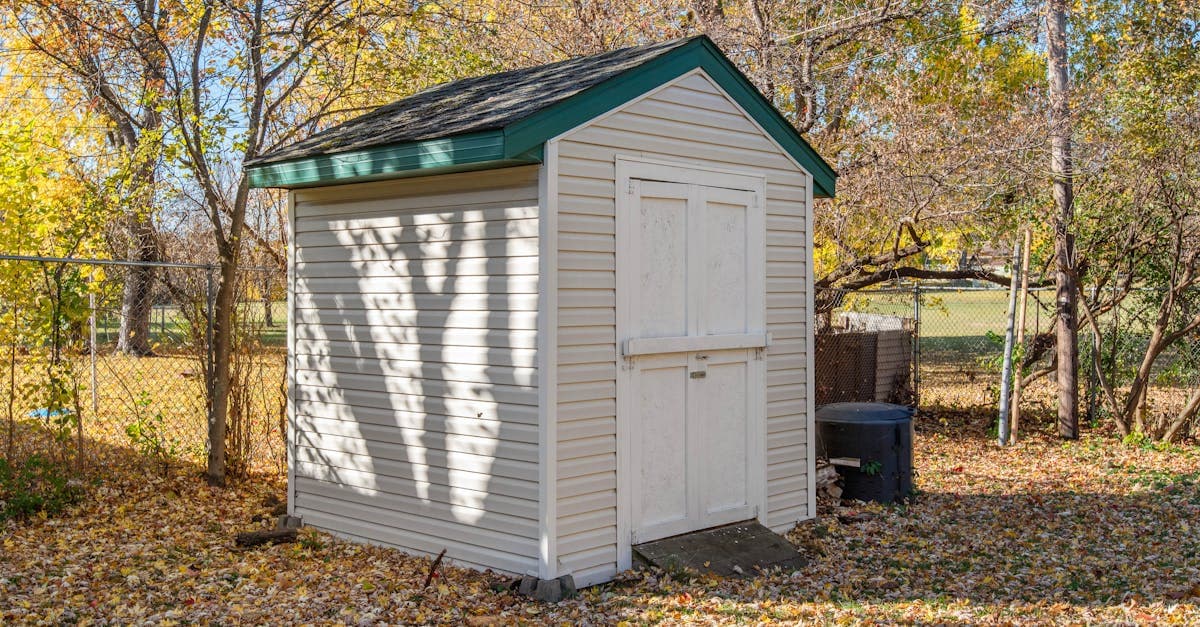
What Does Other Structures Coverage Exclude? Important Limitations to Know
Other structures coverage has specific exclusions including structures used for business, rental properties in some cases, and damage from floods or earthquakes. Know these limits before filing a claim.

How Insurers Calculate Your Dwelling Coverage Amount
Insurance companies use replacement cost estimators that factor in square footage, construction type, materials, finishes, and local labor rates to determine your dwelling coverage limit.

How Long Does Loss of Use Coverage Last After Home Damage?
ALE coverage pays for the shortest reasonable time required to repair or replace your home. Understanding this timeline helps you plan your temporary living situation effectively.

Slip and Fall Claims: How Homeowners Liability Insurance Responds
When a guest slips on your icy walkway or trips on your stairs, personal liability coverage pays for their injuries and your legal defense.

Jewelry and Valuables Away From Home: Coverage Limits You Should Know
High-value items face strict sublimits under standard homeowners policies. Understanding these caps is essential before traveling with expensive jewelry or watches.
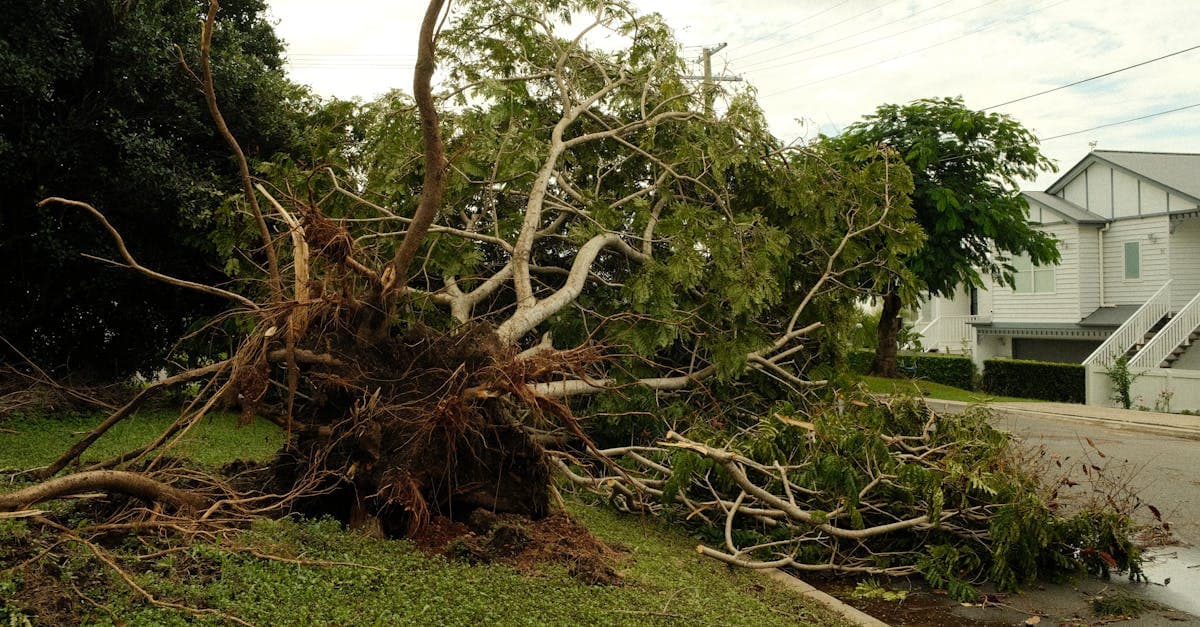
Storm-Felled Trees and Homeowners Insurance Claims
Most fallen tree damage occurs during storms. Understanding how storm-related tree claims work helps you navigate the process when multiple trees fall simultaneously.

What to Do Immediately After Storm Damage to Your Home
The first 24 hours after storm damage are critical for your insurance claim. These steps protect both your property and your right to full compensation.

Mold from Plumbing Leaks: Does Home Insurance Cover It?
Mold resulting from a covered plumbing event may be covered under your policy. But mold from neglected maintenance is almost always excluded.

Mold Endorsements: Should You Add Extra Mold Coverage?
Mold endorsements increase your mold coverage limits beyond the standard cap. Whether the additional premium is worth it depends on your home and your risk factors.
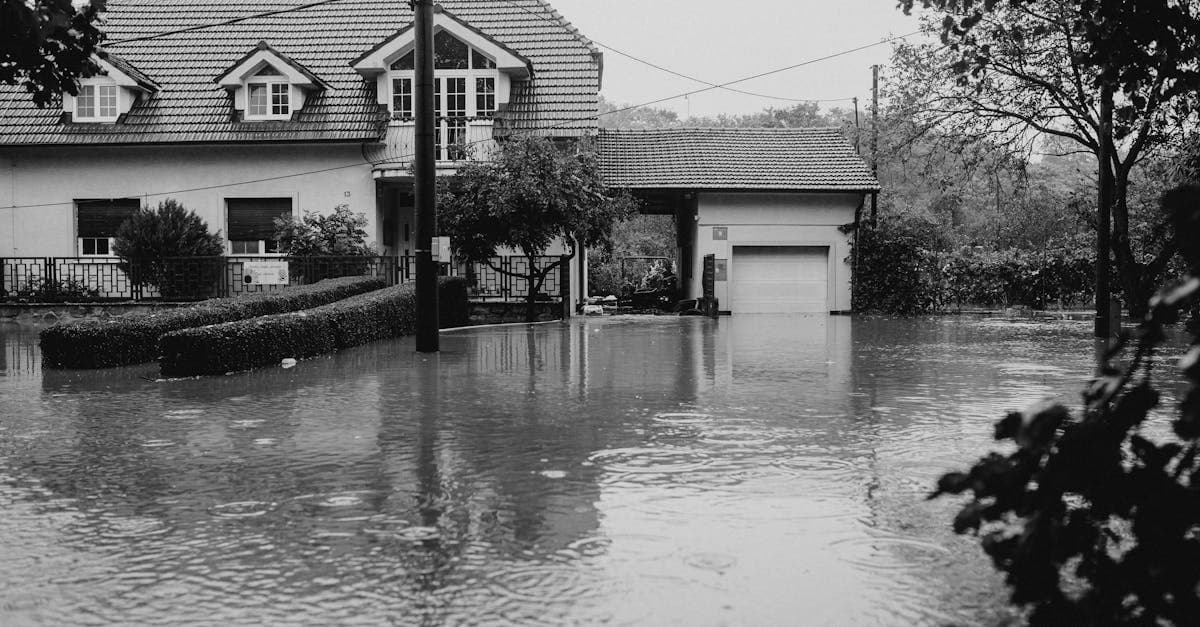
Roof Leak After a Storm: When Water Damage Is Covered
Rain entering through storm-damaged roofing is covered water damage under your homeowners policy. Understanding why this differs from a maintenance-related roof leak prevents claim denials.
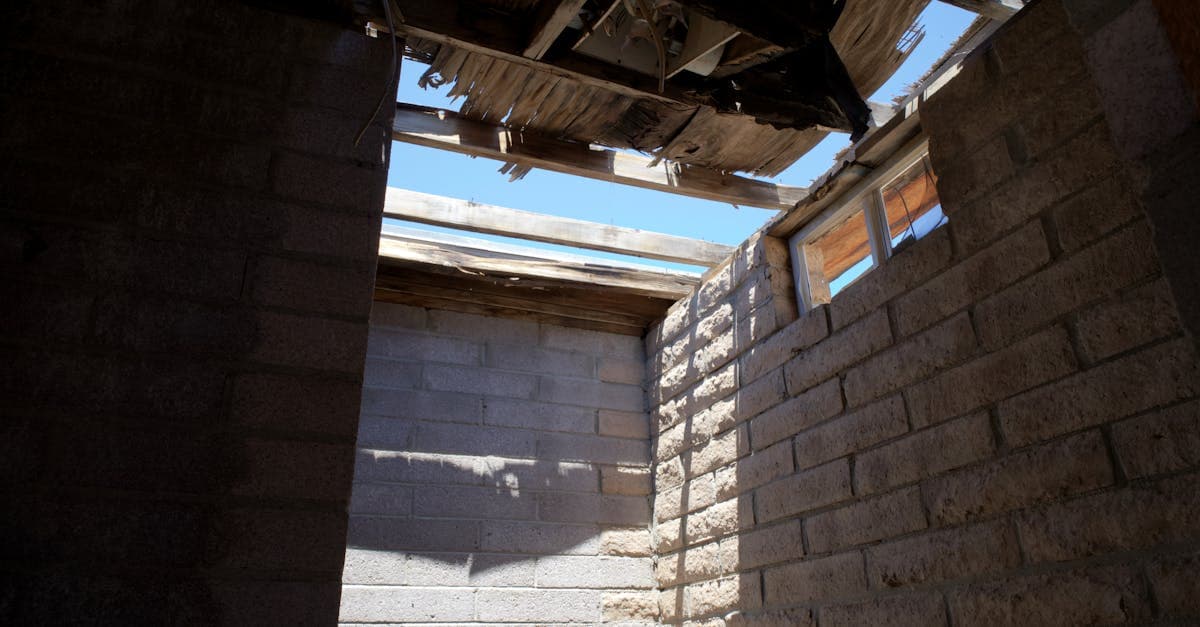
Ice Dams and Roof Leaks: What Your Insurance Covers in Winter
Ice dams force water under shingles and into your home, causing significant damage. Your homeowners policy covers this damage, but prevention and prompt claims filing are essential.

The Business Use Exclusion: Why Working From Home Creates Coverage Gaps
Standard homeowners insurance excludes business-related losses. Home-based workers face property and liability gaps that require endorsements or separate business policies to address.

What Perils Does a Standard Homeowners Policy Cover?
A standard HO-3 policy covers your dwelling against all perils except those specifically excluded. Personal property coverage works differently with a named perils approach.

When to Review Your Florida Insurance After Adding a Teen Driver
Adding a teen driver changes your premium, coverage needs, and liability exposure dramatically. Knowing when and how to review your policy prevents expensive surprises.

Florida Reinstatement Fees After an Insurance Lapse
First-time lapse reinstatement costs $150 in Florida. Second offense jumps to $250, and third or more hits $500. These fees are just the beginning of the financial impact.

Florida Minimum Insurance vs What You Actually Need
The state minimum keeps you legal but leaves enormous gaps. This comparison shows why most financial advisors recommend coverage well beyond Florida's requirements.

Florida PDL Coverage and Rental Car Damage
If you damage a rental car in Florida, your PDL coverage may apply. Understanding how PDL interacts with rental agreements prevents double coverage and gaps.

Florida's 14-Day PIP Rule: What Happens If You Miss It
Florida law requires medical treatment within 14 days of a car accident or you lose all PIP benefits — up to $10,000. Here's what counts as treatment and what doesn't.

Dealing with Insurance Adjusters After a Florida Accident
Insurance adjusters contact you quickly after a Florida accident. Understanding their tactics helps you protect your claim value.

What Happens If an Excluded Driver Crashes Your Car?
An excluded driver crashing your car means zero insurance coverage. The financial consequences can be devastating for both parties.

Excluded Drivers: What It Means and Why It Matters
Excluding a driver from your policy means zero coverage if they drive your car. Understanding driver exclusions prevents devastating financial exposure.

How Vehicle Theft Affects Your Insurance Rates
A theft claim is a comprehensive event outside your control. Learn how insurers treat theft claims in their rating models and what impact to expect on your premium.

OEM vs Aftermarket Windshield Glass: What Your Insurance Pays For
Not all replacement windshields are equal. Learn the difference between OEM and aftermarket glass and whether your insurance covers the option you prefer.

When Should You Drop Gap Insurance?
As your loan balance decreases and your vehicle's value stabilizes, the gap narrows. Knowing when to drop the coverage saves unnecessary premium.

Rental Reimbursement Coverage Limits Explained
Every rental reimbursement plan has daily limits and maximum totals. Understanding both ensures you know exactly how much coverage you have available.

Roadside Assistance Coverage Limits: What You Need to Know
Every roadside plan has limits on towing distance, service frequency, and covered expenses. Knowing these limits prevents unexpected out-of-pocket costs.

Is Uninsured Motorist Coverage Worth It? (State-by-State Guide)
In some states, 1 in 7 drivers is uninsured. UM coverage costs $50–$150/year and pays your medical bills, lost wages, and pain when an uninsured driver hits you.

How Many Drivers Are Actually Uninsured? The Statistics May Surprise You
Roughly one in eight drivers carries no insurance. In some states, that number is one in four. These statistics reveal why UM coverage matters.

Should You Keep Comprehensive Insurance on an Older Vehicle?
When your car's value drops, comprehensive coverage may cost more than it is worth. Here is how to make that calculation.

What Collision Insurance Does Not Cover: Important Exclusions
Collision insurance has clear boundaries. Understanding what falls outside those boundaries prevents surprises when you file a claim.

Liability Limits and Lawsuit Protection: How Coverage Prevents Financial Ruin
Adequate liability limits don't just pay claims — they prevent lawsuits from reaching your personal assets, wages, and future earnings.

Full Coverage and Your Car Loan: Why Lenders Require It
Lenders mandate full coverage to protect their investment in your vehicle. Understanding these requirements helps you meet obligations without overpaying.

Why State Minimum Auto Insurance Usually Isn't Enough
State minimums were set decades ago and haven't kept pace with medical costs, vehicle values, or legal judgments. Most drivers need significantly more coverage.

10 Insurance Exclusion Questions to Ask Before You Sign
Most claim denials come from policy exclusions — not from missing coverage. Ask these 10 questions before signing to avoid surprises at claim time.

Coverage Gaps: How Outdated Policies Create Costly Surprises
Coverage gaps form when your life changes faster than your policy. See the 6 most common gaps that catch policyholders off guard — and how to close them.

How Long Does an Insurance Claim Affect Your Rate? 3–7 Years
Past claims raise your premium for 3 to 7 years depending on the claim type and insurer. See when your rate should drop back and how to track the surcharge.

Protecting Your Claims-Free Discount: When Silence Saves Money
Many insurers reward claims-free policyholders with significant discounts. One small claim can eliminate years of accumulated savings.

Filing Claims After a Natural Disaster: Always File
When hurricanes, tornadoes, wildfires, or earthquakes strike, the filing decision is clear. Catastrophe claims carry less individual penalty and represent your policy's core purpose.

Auto Insurance Claims: From Accident to Settlement
Car accident claims involve fault determination, damage estimates, rental cars, and medical payments. Here's how each piece fits together.

Scheduled Personal Property: Protecting Your Valuables
A scheduled personal property endorsement provides full coverage for jewelry, art, and collectibles that exceed your policy's standard sublimits.

Why Homeowners Insurance Doesn't Cover Flood Damage
Standard homeowners policies exclude flood damage — even from heavy rain. See why the exclusion exists, who needs separate flood coverage, and what it costs.

How Insurers Calculate Actual Cash Value (And When to Challenge It)
Insurers calculate ACV by subtracting depreciation from replacement cost — but the formula isn't always fair. See how it works and when to push back.
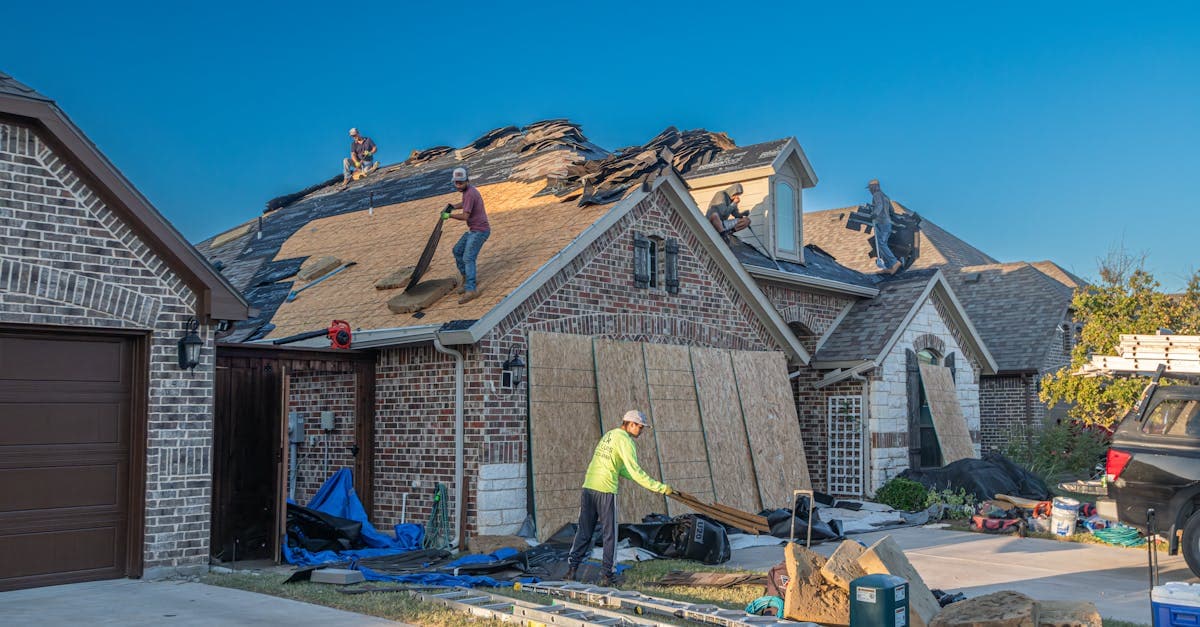
Extended Replacement Cost: Extra Protection When Building Costs Surge
Extended replacement cost coverage pays 125 to 150 percent of your dwelling limit if rebuilding costs exceed your coverage amount.

High Deductible vs Low Deductible: Which Strategy Is Right for You?
A higher deductible lowers your premium but increases your out-of-pocket risk. This guide helps you find the right trade-off.
How to Read Your Insurance Declarations Page (Section by Section)
Your declarations page summarizes your entire policy in one document — but most people skim it. Here's what every field means and what to verify before signing.

Why Your Insurance Premium Is Higher Than Your Neighbor's
Two identical homes can have very different premiums based on credit score, claim history, and risk profile. See what's driving your cost — and what you can change.

Insurance Deductibles: How They Work and How to Choose
Your deductible directly affects both your premium and your out-of-pocket cost at claim time. See how deductibles work with real-dollar examples and trade-offs.

What Does Insurance Really Cover? A Full Policy Review
Most people pay for insurance without fully understanding what it covers — or what it doesn't. We break down the reality behind homeowners, auto, health, and life insurance so you can stop guessing and start knowing.
