Mold from Plumbing Leaks: Does Home Insurance Cover It?

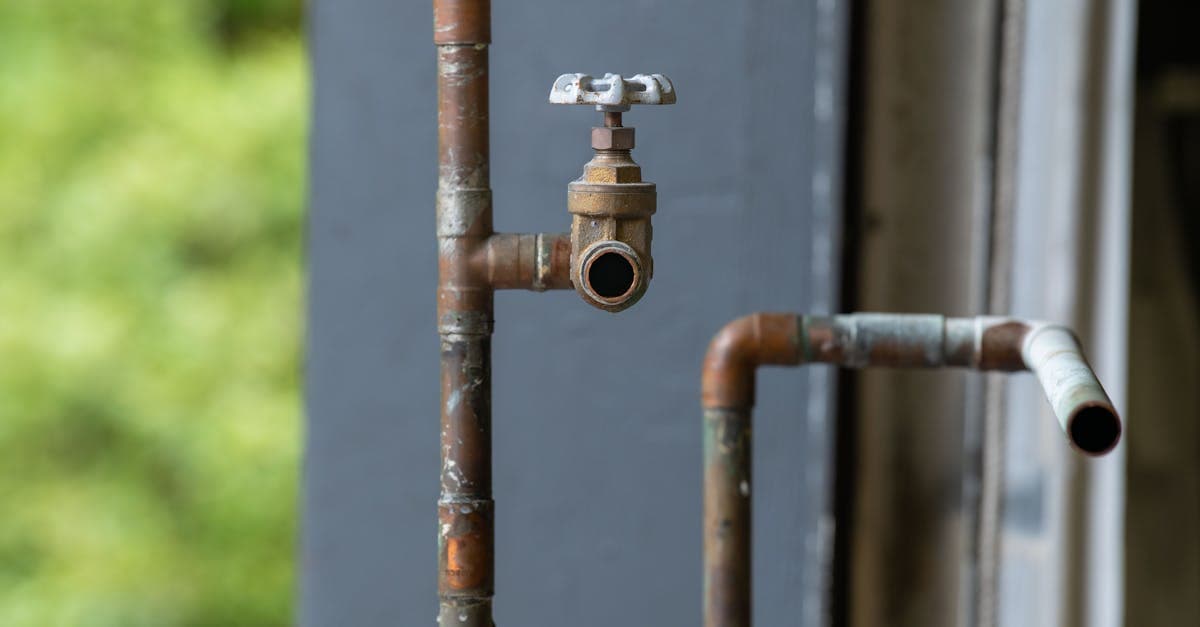
Think of your home's plumbing as a circulatory system — miles of pipes carrying water under pressure through walls, floors, and ceilings. Like a circulatory system, it works silently until something fails. And when it fails, the damage can be sudden and severe.
Your homeowners insurance is the backup system that activates when your home's water delivery network crashes. It functions like emergency medical coverage for your home — it pays for the emergency treatment when something ruptures suddenly, but it does not cover the preventive care or the ongoing maintenance that prevents emergencies from happening.
The plumbing threats your home faces are the legacy infrastructure running behind your walls with no error alerts until failure. Pipes age, connections weaken, supply lines deteriorate, and water heater tanks corrode. The question is not whether these components will eventually fail — it is whether the failure happens suddenly enough to qualify as a covered insurance event.
This distinction between emergency and chronic conditions is the key to understanding plumbing damage coverage. A sudden burst is an emergency — insurance covers it. A slow leak that has been developing for months is a chronic condition — insurance does not. Just as health insurance distinguishes between emergency treatment and elective procedures, homeowners insurance distinguishes between sudden plumbing failures and gradual deterioration that responsible homeowners should address through maintenance.
Supply Line Failures: A Leading Cause of Water Damage Claims
The statistics paint a clear picture. Supply line connections to toilets, sinks, dishwashers, and washing machines are among the most frequent sources of plumbing damage claims in residential insurance. Understanding these failures is maintaining uptime on your financial security when critical home systems go offline.
Why supply lines fail: Supply lines are flexible connectors that carry pressurized water from the plumbing system to individual fixtures and appliances. They are under constant pressure 24 hours a day, and they deteriorate over time. Rubber and polymer hoses are particularly prone to age-related failure, while braided stainless steel lines offer longer service life.
The sudden failure pattern: Most supply line failures occur without warning. The hose splits, the connector separates, or the fitting cracks, and pressurized water flows freely until someone discovers the problem and shuts off the supply. These sudden failures produce covered claims because they are accidental and unexpected.
Damage scope from supply lines: A failed supply line operating under household water pressure can release approximately 5 gallons per minute. If the failure occurs while no one is home — during work hours or during vacation — hundreds or thousands of gallons can flood the home before discovery. These extended-duration failures produce the most expensive claims.
Prevention through replacement: Industry experts recommend replacing rubber and polymer supply lines every five years and inspecting braided stainless steel lines annually. Replacing supply lines is inexpensive insurance against a common and costly failure. This preventive step both reduces your risk and demonstrates maintenance diligence that supports future claims.
Washing machine and dishwasher lines: The supply lines to these appliances are particularly high-risk because they carry hot water under pressure and are often installed in locations where failures cause maximum damage — laundry rooms on upper floors or kitchens with finished spaces below.
Sudden vs Gradual Plumbing Damage: The Critical Distinction
The statistics paint a clear picture. The single most important concept in plumbing damage insurance is the difference between sudden and gradual damage. Your homeowners policy is the backup system that activates when your home's water delivery network crashes — but only against sudden and accidental events.
Sudden damage is covered: A pipe that bursts overnight, a supply line that splits while you are at work, a water heater tank that ruptures without warning — these are sudden events that your policy covers. The damage happened quickly, without opportunity for the homeowner to prevent or mitigate it in advance.
Gradual damage is excluded: A pipe joint that has been slowly seeping for months, a toilet that has been leaking at the base for weeks, a faucet connection that has been dripping behind the vanity for an extended period — these are gradual failures. Your insurer considers them maintenance responsibilities because a reasonably attentive homeowner would have noticed the signs and arranged repairs before significant damage occurred.
The gray area: Many plumbing failures fall between these clear categories. A pipe that developed a pinhole leak last week but was hidden behind drywall raises questions about when the damage began and whether the homeowner could reasonably have detected it sooner. In these cases, the adjuster's investigation, the plumber's assessment, and your documentation all influence the coverage determination.
How insurers investigate: Adjusters look for evidence of long-term water exposure — water stains, mineral deposits, mold growth, wood rot, and discoloration around the failure point. If these signs suggest the problem existed for weeks or months, the insurer may classify the damage as gradual even if you only discovered it recently.
Frozen Pipe Claims: Coverage Requirements and Prevention
When we analyze the data, Frozen pipes that burst are covered under homeowners insurance, but the coverage comes with specific maintenance obligations that homeowners must meet. Failing to take reasonable precautions against freezing can result in claim denial.
Coverage for frozen pipe bursts: When temperatures drop below freezing and pipes burst as a result, the water damage is a covered peril. The sudden expansion of ice inside the pipe causes the rupture, and the subsequent water release when ice thaws creates the damage. Both the ice damage and the water damage are covered under standard policies.
Your maintenance obligation: Your policy requires you to maintain heat in your home sufficient to prevent pipe freezing or to drain the water system and shut off supply if the home will be unheated. This obligation is explicitly stated in most homeowners policies and is a common basis for claim denials.
Vacant home requirements: If your home is vacant during cold weather, the maintenance obligation becomes more stringent. Many policies require either maintaining heat above a specific temperature, draining the plumbing system entirely, or having someone check the property regularly. Failure to meet these requirements during vacancy can void frozen pipe coverage entirely.
High-risk pipe locations: Pipes in exterior walls, unheated garages, crawl spaces, and attics are most vulnerable to freezing. Identifying and insulating these vulnerable pipes is both a preventive measure and evidence of reasonable maintenance. Documenting your winterization efforts creates a record that supports claims if freezing occurs despite your precautions.
Regional considerations: Frozen pipe claims are concentrated in northern states but are not exclusive to cold climates. Southern homes, often built with less insulation and exterior plumbing, can experience devastating frozen pipe damage during unusual cold snaps when pipes are not designed for freezing conditions.
Water Damage Restoration: What Insurance Covers During Recovery
The statistics paint a clear picture. The restoration process after a plumbing failure involves multiple phases, each with its own insurance coverage considerations. Understanding what your policy covers during restoration prevents gaps between expected and actual reimbursement.
Emergency water extraction: Professional water extraction is the first restoration step and is covered as both mitigation and part of the overall claim. Industrial pumps, wet vacuums, and water removal equipment are used to extract standing water as quickly as possible to prevent further damage.
Structural drying: After water extraction, industrial dehumidifiers and air movers dry the structural components — framing, subfloors, and drywall. This phase can take three to seven days depending on the extent of saturation. The equipment rental and monitoring costs are covered as part of the restoration claim.
Demolition and removal: Saturated materials that cannot be dried — drywall below the waterline, soaked insulation, warped baseboards, and damaged flooring — must be removed. This controlled demolition is covered under the claim and is documented with photographs before disposal.
Mold prevention treatment: Antimicrobial treatments applied during the drying phase to prevent mold growth are covered as part of the restoration process. This preventive step is far less expensive than mold remediation after growth occurs and is considered a reasonable mitigation measure.
Reconstruction and finishing: Once the structure is dried and treated, rebuilding begins. Replacing drywall, reinstalling flooring, repainting, and restoring the affected areas to pre-loss condition are all covered. Your policy pays for materials and labor to return the damaged areas to their condition before the plumbing failure occurred, subject to your deductible and policy limits.
Water Heater Failures and Insurance Coverage
When we analyze the data, Water heater failures represent the legacy infrastructure running behind your walls with no error alerts until failure because every tank-style water heater will eventually fail, and the resulting water damage can be catastrophic. Understanding how insurance handles these common claims helps you prepare.
Tank rupture coverage: When a water heater tank splits or develops a major leak, the resulting water damage is a covered peril under your homeowners policy. Water heaters hold 40 to 80 gallons, and a tank failure can release hundreds of gallons over hours if undetected. The water damage to surrounding floors, walls, and any personal property is covered.
The heater itself is not covered: Your policy covers the damage the failed water heater caused but does not pay to replace the water heater. The heater is considered the cause of loss, and replacing it is a maintenance expense. Some home warranty plans cover water heater replacement separately.
Age and maintenance considerations: Water heaters typically last 8 to 12 years. If your heater fails well beyond its expected lifespan and the insurer determines that age-related corrosion was evident and ignored, they may argue the damage was foreseeable and therefore not sudden and accidental. Regular maintenance including flushing sediment and inspecting the anode rod supports your position that the failure was unexpected.
Location matters for damage scope: Water heaters installed on upper floors or in attics can cause dramatically more damage than those in basements or utility closets. Water flowing down through multiple levels of a home creates cascading damage that significantly increases claim costs. Consider the placement of your water heater when evaluating your coverage adequacy.
Tankless water heater differences: Tankless units do not store water, so catastrophic tank failures are not a risk. However, connection failures, valve malfunctions, and fitting leaks can still cause water damage that qualifies as a covered comprehensive claim under your homeowners policy.
Filing a Plumbing Damage Claim: How to Maximize Your Recovery
The statistics paint a clear picture. The steps you take in the first hours and days after discovering plumbing damage significantly affect your claim outcome. Following a structured approach protects both your home and your insurance recovery.
Step one — stop the water: Locate and close the nearest shutoff valve or the main water shutoff. Every minute of continued water flow increases damage and potentially weakens your claim by suggesting inadequate mitigation. Know where your shutoff valves are before an emergency occurs.
Step two — document before cleanup: Photograph and video record all damage before beginning any cleanup or water extraction. Capture the source of the leak, the water flow pattern, the extent of water spread, and close-ups of damaged materials. This documentation establishes the loss as-found and prevents disputes about damage extent.
Step three — mitigate further damage: Your policy requires you to prevent additional damage. Remove standing water, move salvageable belongings to dry areas, and begin drying wet surfaces. Keep damaged items until the adjuster has seen them or given you permission to dispose of them.
Step four — call your insurer: Report the claim promptly — most policies require timely notice. Provide basic facts about what happened, when you discovered it, and what steps you have taken. Ask about next steps including whether to begin professional water extraction or wait for the adjuster.
Step five — get a plumber's assessment: Have a licensed plumber inspect the failure point and provide a written assessment of what failed and why. The plumber's professional opinion about whether the failure was sudden or gradual can support your claim determination. Keep the plumber's report for your claim file.
Hidden Plumbing Leaks: When Insurance Covers the Unseen
The statistics paint a clear picture. Some of the most contentious plumbing damage claims involve leaks hidden behind walls, beneath floors, or under foundations. These hidden leaks present a coverage challenge because the damage may be extensive by the time it is discovered, raising questions about whether the damage was sudden or gradual.
The discovery principle: Many insurance policies include language that treats the date of discovery as relevant to the claim timeline. If a pipe behind a wall has been leaking for two weeks but you had no reasonable way to know, the discovery date — when you first noticed water stains or damage — may be treated as the loss date for claim purposes.
Signs that undermine hidden leak claims: If the adjuster finds evidence that the leak had been producing visible signs for an extended period — persistent musty odors, recurring water stains you painted over, warped flooring you ignored — the insurer may argue you should have investigated sooner. Ignoring warning signs weakens your claim for hidden leak damage.
Professional leak detection: If you suspect a hidden leak, hiring a professional leak detection service creates documentation that you acted promptly once you had reason to suspect a problem. This proactive step strengthens your insurance claim by demonstrating responsible homeownership.
Slab leaks as hidden damage: Pipes beneath concrete foundations can leak for extended periods before symptoms appear. Water may travel significant distances under the slab before surfacing, making the leak location and the damage location quite different. Slab leak claims often require specialized detection equipment and can involve significant foundation repair costs.
Testing and tear-out coverage: Most policies cover the reasonable cost of tearing out walls, floors, or foundations to access and diagnose a hidden leak. This tear-out coverage applies even if the plumbing repair itself is not covered, because the investigation and access are necessary to assess and repair the covered water damage.
Your Duty to Mitigate: Responsibilities After Plumbing Damage
When we analyze the data, Your homeowners insurance policy includes a requirement that you take reasonable steps to prevent further damage after discovering a plumbing problem. This duty to mitigate is both a contractual obligation and a practical necessity.
What mitigation means: After discovering plumbing damage, you must act reasonably to prevent the damage from getting worse. This includes shutting off the water supply, removing standing water, moving belongings away from wet areas, and arranging emergency drying if necessary. You do not need to be perfect — you need to be reasonable.
Mitigation costs are covered: The reasonable costs you incur to mitigate damage are reimbursable under your policy. Emergency water extraction, temporary repairs to stop continued water flow, dehumidifier rental, and moving and storing belongings are all mitigation expenses that your insurer should cover as part of the claim.
Failure to mitigate consequences: If you discover a plumbing problem and fail to take reasonable steps to prevent further damage, your insurer can reduce or deny the portion of the claim that resulted from your inaction. For example, if a pipe is leaking and you go to bed instead of shutting off the water, the damage that occurs overnight may not be covered.
What is reasonable: Insurers do not expect you to be a plumber or a restoration expert. Reasonable mitigation means taking common-sense steps within your ability. Shutting off water, mopping up standing water, and calling for professional help are all reasonable. Attempting complex plumbing repairs yourself is not required and could actually worsen the situation.
Documenting your mitigation efforts: Keep records of what you did and when. Photograph the scene before and after your mitigation efforts. Save receipts for any emergency supplies or services. This documentation proves you fulfilled your obligation and supports reimbursement for mitigation expenses.
Take Action on Your Plumbing Coverage Today
Understanding plumbing damage coverage is only valuable if you act on that knowledge. Here is what to do right now.
First, check whether your homeowners policy includes sewer and drain backup coverage. If it does not, add this endorsement immediately — it is affordable and covers one of the most common exclusions in residential insurance.
Second, locate every water shutoff valve in your home. The main shutoff, the individual fixture shutoffs, and the appliance shutoffs. Label them if necessary. Being able to stop water flow within minutes of discovering a leak reduces damage and strengthens your claim.
Third, inspect the supply lines to your toilets, sinks, washing machine, and dishwasher. Replace any rubber or polymer hoses older than five years with braided stainless steel lines. This inexpensive upgrade prevents one of the most common sources of water damage claims.
Plumbing damage coverage is maintaining uptime on your financial security when critical home systems go offline. Getting the right endorsements and maintaining your plumbing system ensures that when a sudden failure occurs, your insurance responds fully and your claim proceeds smoothly. Take an hour this week to review your coverage, check your supply lines, and learn your shutoff valve locations. That small investment of time can prevent thousands of dollars in uncovered damage.
Continue reading

Coverage Limits Compared: How to Spot the Differences Between Insurance Quotes
Two quotes with identical premiums can have vastly different coverage limits. Knowing how to identify and compare these limits ensures you select the policy that actually protects your assets.
Why Your Policy Renewal Date Is the Perfect Time for a Checkup
Your annual renewal notice is a natural prompt to review your coverage. Using renewal as your checkup trigger ensures you never go more than twelve months without evaluating your protection.
Assignment of Benefits and Water Damage Claims: A Common Scenario
Water mitigation companies frequently ask homeowners to sign AOBs after pipe bursts and floods. Learn why water damage claims are the most common setting for AOB agreements.