What Does Other Structures Coverage Exclude? Important Limitations to Know

Think of your homeowners insurance as a security system with two zones. Zone one is your dwelling coverage — it protects the main building and everything attached to it. Zone two is your other structures coverage — it extends the alarm to every detached building and structure on your property that sits beyond the main home's walls.
Other structures coverage is the network extension that brings every detached structure on your property inside the same security perimeter as your main home. It protects against the firewall gap where detached structures sit outside the coverage network, vulnerable to the same threats that the main system is protected against. Without it, a windstorm that destroys your fence and collapses your shed would leave you paying for repairs entirely out of pocket, even though your dwelling coverage would handle identical damage to attached structures.
The two-zone analogy extends to the coverage limits. Your dwelling coverage has its own limit based on rebuilding the main home. Your other structures coverage has a separate limit — typically 10 percent of the dwelling amount — that must cover every detached structure on the entire property. These two limits are independent, and a shortfall in Coverage B does not draw from your dwelling coverage.
This independence is both a strength and a vulnerability. It ensures that detached structure claims do not reduce the funds available to rebuild your main home. But it also means that if your Coverage B limit is too low, you cannot rely on unused dwelling coverage to make up the difference.
Understanding how these two zones interact — and ensuring both carry adequate limits — is essential to comprehensive property protection. Your main home deserves full coverage, and so do the detached structures that complete your property.
Detached Workshops, Studios, and Special-Use Buildings
When we analyze the data, Detached buildings used for workshops, art studios, home offices, and hobbies are covered under Coverage B for structural damage, but their special use can create coverage complications that homeowners need to understand.
Workshop coverage: A detached workshop costs $15,000 to $40,000 or more to build depending on size, insulation, electrical capacity, and finishing. Coverage B protects the structure itself — walls, roof, foundation, electrical, and plumbing — when damaged by covered perils.
The business use question: If you use a detached building for any business activity — even a part-time side business — standard Coverage B may limit or exclude coverage. Business-use structures may require a home business endorsement or a separate commercial policy for full protection.
Home office buildings: The rise of remote work has increased the number of detached home office buildings. If the office is used exclusively for personal remote employment with no clients visiting, standard Coverage B typically applies. If clients visit the building or if it functions as a commercial office, additional coverage may be needed.
Art studios and creative spaces: A detached art studio or music room is covered as a structure under Coverage B. However, the equipment, instruments, supplies, and artwork inside fall under personal property coverage or may need scheduled coverage if their value is significant.
Contents vs structure distinction: Coverage B protects only the physical structure of special-use buildings. A workshop full of $20,000 in tools, an art studio with $15,000 in supplies, or a music room with $30,000 in instruments — these contents are not covered by Coverage B. They fall under Coverage C personal property with its own limits and may need additional scheduling.
Disclosure to your insurer: Regardless of use, inform your insurance agent about every detached building on your property. Undisclosed structures can create claims complications if the insurer argues that the building's existence or use should have been reported.
What Other Structures Coverage Protects on Your Property
The statistics paint a clear picture. Other structures coverage is the network extension that brings every detached structure on your property inside the same security perimeter as your main home. It pays to repair or replace detached buildings and structures on your property when damage results from a covered peril. Understanding exactly what qualifies as an other structure ensures you know the full scope of your Coverage B protection.
Detached garages: A garage that does not share a wall or roofline with your main home is an other structure. This includes standalone single-car, two-car, and three-car garages. If a tree crashes through the roof or fire damages the structure, Coverage B pays for repairs.
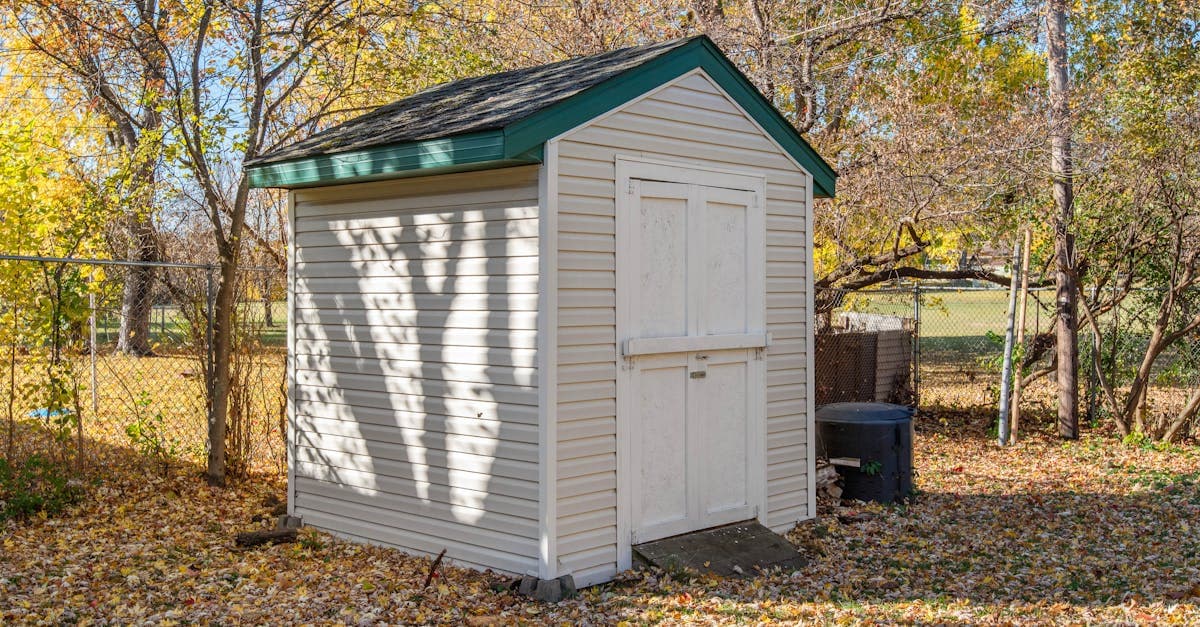
Storage sheds and outbuildings: Backyard sheds, tool houses, storage buildings, and utility structures are all covered under Coverage B. These structures are common targets for wind damage, fallen trees, and hail.
Fences and gates: All fencing on your property — wood privacy fences, chain link, vinyl, wrought iron, and decorative fencing — falls under other structures coverage. Gates, fence posts, and attached hardware are included.
Gazebos, pergolas, and pavilions: Freestanding outdoor structures used for relaxation and entertainment are covered. These structures are particularly vulnerable to wind damage and fallen tree branches.
Driveways, walkways, and patios: Paved surfaces not attached to the main home may qualify as other structures. Damage from covered perils like tree impact or vehicle collision can trigger a Coverage B claim.
Swimming pool structures: In-ground pools, detached pool houses, and pool equipment enclosures fall under Coverage B. The pool shell, coping, decking, and any detached housing structures are included.
Detached Workshops, Studios, and Special-Use Buildings
When we analyze the data, Detached buildings used for workshops, art studios, home offices, and hobbies are covered under Coverage B for structural damage, but their special use can create coverage complications that homeowners need to understand.
Workshop coverage: A detached workshop costs $15,000 to $40,000 or more to build depending on size, insulation, electrical capacity, and finishing. Coverage B protects the structure itself — walls, roof, foundation, electrical, and plumbing — when damaged by covered perils.
The business use question: If you use a detached building for any business activity — even a part-time side business — standard Coverage B may limit or exclude coverage. Business-use structures may require a home business endorsement or a separate commercial policy for full protection.
Home office buildings: The rise of remote work has increased the number of detached home office buildings. If the office is used exclusively for personal remote employment with no clients visiting, standard Coverage B typically applies. If clients visit the building or if it functions as a commercial office, additional coverage may be needed.
Art studios and creative spaces: A detached art studio or music room is covered as a structure under Coverage B. However, the equipment, instruments, supplies, and artwork inside fall under personal property coverage or may need scheduled coverage if their value is significant.
Contents vs structure distinction: Coverage B protects only the physical structure of special-use buildings. A workshop full of $20,000 in tools, an art studio with $15,000 in supplies, or a music room with $30,000 in instruments — these contents are not covered by Coverage B. They fall under Coverage C personal property with its own limits and may need additional scheduling.
Disclosure to your insurer: Regardless of use, inform your insurance agent about every detached building on your property. Undisclosed structures can create claims complications if the insurer argues that the building's existence or use should have been reported.
Building Code Compliance When Rebuilding Detached Structures
The statistics paint a clear picture. When a detached structure is damaged and needs to be rebuilt, current building codes may require upgrades that did not exist when the structure was originally constructed. Understanding how code compliance affects Coverage B claims prevents unexpected out-of-pocket costs.
The code upgrade problem: Building codes for detached structures have become more stringent over time, particularly for electrical systems, structural connections, and wind resistance. A shed built 20 years ago may not meet current codes for anchoring, wiring, or structural bracing. Rebuilding to current code costs more than simply replicating the original structure.
What standard Coverage B pays: Standard other structures coverage pays to restore the damaged structure to its pre-loss condition — the specifications and standards of the original construction. Code-required upgrades beyond the original specs may not be covered without an ordinance or law endorsement.
Detached garage code requirements: Modern building codes often require detached garages to have specific electrical standards, fire-rated walls when near property lines, and structural connections designed to resist wind loads. Upgrading a pre-existing garage to these standards during a rebuild adds cost.
Electrical upgrades: Older detached structures may have outdated electrical wiring that does not meet current codes. Rebuilding after a loss requires bringing the electrical system up to current standards, which can add $2,000 to $10,000 depending on the structure's size and electrical needs.
Permits and inspections: Rebuilding a damaged detached structure typically requires building permits and inspections. These costs are generally included in your Coverage B claim as part of the reconstruction process.
The ordinance or law endorsement: If your homeowners policy includes ordinance or law coverage, it extends to Coverage B claims as well. This endorsement pays for the additional cost of bringing damaged detached structures up to current code requirements during rebuilding.
Detached Garage Coverage: The Most Valuable Other Structure
The statistics paint a clear picture. For most homeowners, the detached garage is the single most valuable structure covered under Coverage B. Understanding how other structures coverage applies specifically to detached garages ensures this significant investment is fully protected. This is about connecting every structure on your property to the same coverage infrastructure so no building operates without backup protection.
Replacement cost of detached garages: A basic single-car detached garage costs $15,000 to $25,000 to rebuild. A standard two-car detached garage ranges from $25,000 to $45,000. A larger three-car garage or a garage with finished space above can cost $45,000 to $80,000 or more. These amounts represent a substantial portion of most Coverage B limits.
Common detached garage claims: Wind damage to garage doors and roofing is the most frequent claim. Fallen trees that crash through the roof or walls generate the largest payouts. Fire damage — whether from the garage itself or spreading from nearby — can total the structure entirely.
Garage contents vs garage structure: Coverage B protects the physical garage structure — walls, roof, foundation, doors, electrical, and plumbing. The vehicles and personal property inside the garage are covered under your auto policy (for vehicles) and Coverage C personal property (for belongings), not under Coverage B.
Garage door replacement: Garage doors are one of the most commonly damaged components, particularly during windstorms. A standard two-car garage door costs $1,500 to $4,000 to replace including installation. High-wind-rated or insulated doors cost more.
Impact on Coverage B limit: Because a detached garage represents such a large portion of most Coverage B limits, losing the garage in a total loss may consume most of your available coverage. If you also have fencing, sheds, and other structures, a garage loss could leave insufficient Coverage B funds for other structure repairs.
The case for increasing Coverage B: If your detached garage replacement cost exceeds 50 percent of your Coverage B limit, consider increasing the limit. A total garage loss combined with fence or shed damage could exceed your coverage without an increase.
Replacement Cost vs Actual Cash Value for Other Structures
When we analyze the data, The valuation method used for your other structures coverage determines how much you actually receive after a claim. Understanding whether your policy uses replacement cost or actual cash value for Coverage B prevents payout surprises.
Replacement cost for other structures: If your policy uses replacement cost valuation for Coverage B, the insurer pays the full current cost to repair or rebuild the damaged structure without deducting depreciation. A 15-year-old shed that is destroyed gets replaced with a new shed at today's prices.
Actual cash value for other structures: ACV valuation deducts depreciation from the replacement cost based on the age and condition of the damaged structure. A 15-year-old fence with a 20-year expected lifespan might receive only 25 percent of the replacement cost, with the remaining 75 percent coming from your pocket.
Policy-wide vs coverage-specific valuation: Some policies apply the same valuation method to all coverages, while others may use replacement cost for dwelling coverage but actual cash value for other structures. Check your policy to confirm which valuation method applies specifically to Coverage B.
The depreciation impact on older structures: Older detached structures suffer the most under actual cash value. A 20-year-old detached garage that costs $40,000 to rebuild might receive only $15,000 to $20,000 under ACV after depreciation. The gap forces you to contribute $20,000 to $25,000 out of pocket for a complete rebuild.
Requesting replacement cost for Coverage B: If your policy uses actual cash value for other structures, ask your agent about upgrading to replacement cost valuation. The additional premium is typically modest compared to the improved payout on a claim.
Documentation supports replacement cost claims: Maintaining records of when detached structures were built, what materials were used, and what improvements have been made supports your replacement cost claim. Receipts, photographs, and building permits help establish the original quality and specifications of each structure.
Detached Garage Coverage: The Most Valuable Other Structure
The statistics paint a clear picture. For most homeowners, the detached garage is the single most valuable structure covered under Coverage B. Understanding how other structures coverage applies specifically to detached garages ensures this significant investment is fully protected. This is about connecting every structure on your property to the same coverage infrastructure so no building operates without backup protection.
Replacement cost of detached garages: A basic single-car detached garage costs $15,000 to $25,000 to rebuild. A standard two-car detached garage ranges from $25,000 to $45,000. A larger three-car garage or a garage with finished space above can cost $45,000 to $80,000 or more. These amounts represent a substantial portion of most Coverage B limits.
Common detached garage claims: Wind damage to garage doors and roofing is the most frequent claim. Fallen trees that crash through the roof or walls generate the largest payouts. Fire damage — whether from the garage itself or spreading from nearby — can total the structure entirely.
Garage contents vs garage structure: Coverage B protects the physical garage structure — walls, roof, foundation, doors, electrical, and plumbing. The vehicles and personal property inside the garage are covered under your auto policy (for vehicles) and Coverage C personal property (for belongings), not under Coverage B.
Garage door replacement: Garage doors are one of the most commonly damaged components, particularly during windstorms. A standard two-car garage door costs $1,500 to $4,000 to replace including installation. High-wind-rated or insulated doors cost more.
Impact on Coverage B limit: Because a detached garage represents such a large portion of most Coverage B limits, losing the garage in a total loss may consume most of your available coverage. If you also have fencing, sheds, and other structures, a garage loss could leave insufficient Coverage B funds for other structure repairs.
The case for increasing Coverage B: If your detached garage replacement cost exceeds 50 percent of your Coverage B limit, consider increasing the limit. A total garage loss combined with fence or shed damage could exceed your coverage without an increase.
Replacement Cost vs Actual Cash Value for Other Structures
When we analyze the data, The valuation method used for your other structures coverage determines how much you actually receive after a claim. Understanding whether your policy uses replacement cost or actual cash value for Coverage B prevents payout surprises.
Replacement cost for other structures: If your policy uses replacement cost valuation for Coverage B, the insurer pays the full current cost to repair or rebuild the damaged structure without deducting depreciation. A 15-year-old shed that is destroyed gets replaced with a new shed at today's prices.
Actual cash value for other structures: ACV valuation deducts depreciation from the replacement cost based on the age and condition of the damaged structure. A 15-year-old fence with a 20-year expected lifespan might receive only 25 percent of the replacement cost, with the remaining 75 percent coming from your pocket.
Policy-wide vs coverage-specific valuation: Some policies apply the same valuation method to all coverages, while others may use replacement cost for dwelling coverage but actual cash value for other structures. Check your policy to confirm which valuation method applies specifically to Coverage B.
The depreciation impact on older structures: Older detached structures suffer the most under actual cash value. A 20-year-old detached garage that costs $40,000 to rebuild might receive only $15,000 to $20,000 under ACV after depreciation. The gap forces you to contribute $20,000 to $25,000 out of pocket for a complete rebuild.
Requesting replacement cost for Coverage B: If your policy uses actual cash value for other structures, ask your agent about upgrading to replacement cost valuation. The additional premium is typically modest compared to the improved payout on a claim.
Documentation supports replacement cost claims: Maintaining records of when detached structures were built, what materials were used, and what improvements have been made supports your replacement cost claim. Receipts, photographs, and building permits help establish the original quality and specifications of each structure.
Take Action on Your Other Structures Coverage Today
Understanding other structures coverage is only valuable if you verify that your Coverage B limit matches the actual replacement cost of your detached structures. Here is what to do right now.
First, walk your property and list every detached structure — garage, shed, fence, gazebo, retaining wall, and anything else not attached to your main home. Estimate the replacement cost of each at current construction prices.
Second, check your declarations page for your Coverage B limit. If the total replacement cost of your detached structures exceeds this limit, contact your agent about an increase. The additional premium is typically modest.
Third, verify the valuation method for your Coverage B — replacement cost or actual cash value. If your policy uses ACV for other structures, ask about upgrading to replacement cost to avoid depreciation deductions on claims.
Other structures coverage is connecting every structure on your property to the same coverage infrastructure so no building operates without backup protection. Spending twenty minutes inventorying your detached structures and comparing their value to your Coverage B limit can prevent a significant out-of-pocket expense after the next storm.
Continue reading

Coverage Limits Compared: How to Spot the Differences Between Insurance Quotes
Two quotes with identical premiums can have vastly different coverage limits. Knowing how to identify and compare these limits ensures you select the policy that actually protects your assets.

Why Your Policy Renewal Date Is the Perfect Time for a Checkup
Your annual renewal notice is a natural prompt to review your coverage. Using renewal as your checkup trigger ensures you never go more than twelve months without evaluating your protection.

Assignment of Benefits and Water Damage Claims: A Common Scenario
Water mitigation companies frequently ask homeowners to sign AOBs after pipe bursts and floods. Learn why water damage claims are the most common setting for AOB agreements.