What Happens If an Excluded Driver Crashes Your Car?

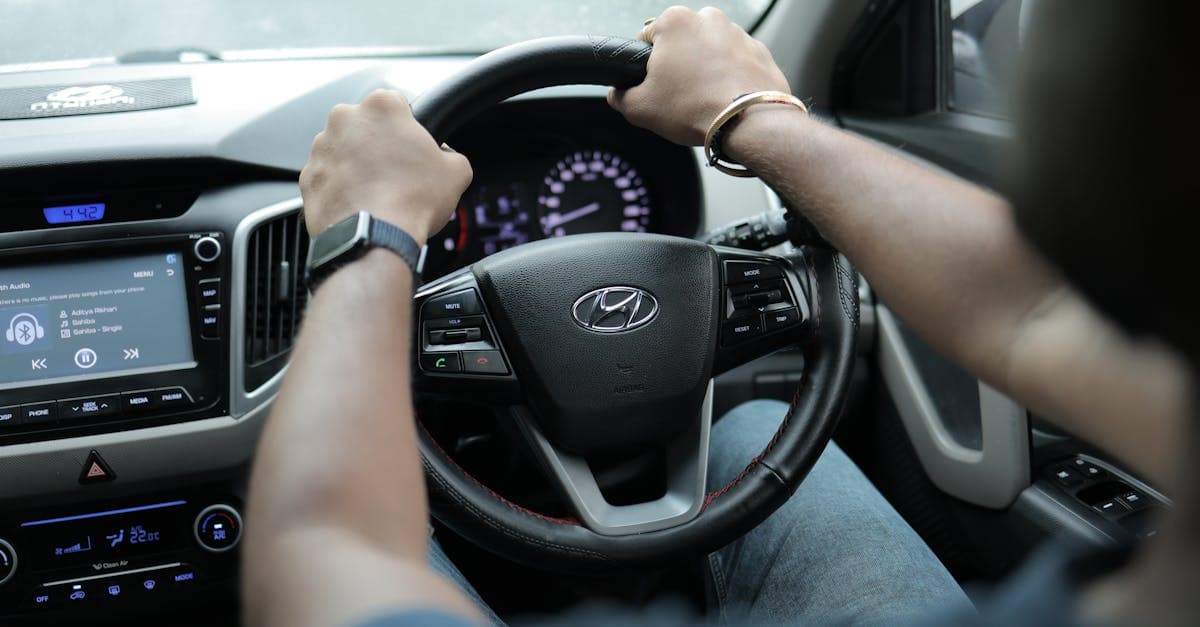
Think of your auto insurance policy as a credit card linked to your car. When you hand someone your keys, you are essentially handing them a card with your name on it. If they make a purchase — in this case, cause an accident — the charges appear on your statement, not theirs.
Your insurance is the backup system that restores your coverage after an unauthorized user causes a crash. It covers the damage, pays the claims, and absorbs the financial impact. But just like a credit card, the bill comes to you. Your deductible is the minimum payment. Your premium increase is the interest charge. And if the accident exceeds your coverage limits, the remaining balance is your personal financial responsibility.
The borrower, in this analogy, used your card with your permission. They may feel guilty about the charges, and they may offer to reimburse you for the deductible. But the credit history — your claims record — reflects the transaction regardless of who ultimately pays.
This analogy captures the system failure triggered by someone else operating your hardware without proper credentials. The coverage is real and valuable — without it, you would pay for every dollar of damage yourself. But the cost of activating that coverage when someone else causes the accident is borne by you, the policy owner. Understanding this dynamic is the first step toward making informed decisions about who drives your car and under what circumstances.
Vicarious Liability: When the Owner Gets Sued
The statistics paint a clear picture. Vicarious liability is a legal doctrine that can hold you, the vehicle owner, liable for accidents caused by someone else driving your car with permission. This liability exists separate from your insurance and can reach your personal assets.
How vicarious liability works: In states with vicarious liability statutes, the injured party can sue both the driver and the vehicle owner. The theory is that as the owner, you had control over who used your vehicle and bear some responsibility for the consequences of lending it. Your insurance defends and pays these claims up to your policy limits.
State-by-state variation: Vicarious liability laws vary dramatically by state. Some states impose strict liability on vehicle owners for any accident by a permissive user. Others limit the owner's liability to insurance policy limits. A few states have abolished or severely limited vicarious liability. Knowing your state's approach is essential.
The negligent entrustment escalation: Negligent entrustment is a separate but related theory that imposes liability when you lend your car to someone you know or should know is an incompetent driver. Unlike standard vicarious liability, negligent entrustment claims are based on your own negligence in lending the vehicle, not just your status as owner. These claims can exceed insurance limits.
Protecting yourself legally: Adequate liability insurance is your first defense. An umbrella policy is your second. Beyond insurance, the best protection is screening who drives your vehicle. Do not lend your car to drivers you know to be impaired, unlicensed, or historically reckless. If you do, negligent entrustment exposure increases dramatically.
When to consult an attorney: If you receive a lawsuit related to someone else crashing your car, contact your insurer immediately — they are obligated to provide legal defense under your policy. If the damages claimed exceed your policy limits, consult a personal attorney to protect your individual interests.
Your Insurance Pays First: The Primary Coverage Rule
The statistics paint a clear picture. When someone else crashes your car, the most important fact to understand is that your auto insurance is the backup system that restores your coverage after an unauthorized user causes a crash. Your policy is primary coverage for your vehicle, which means it responds first to any claim — regardless of who was driving at the time of the accident.
Liability coverage: Your liability insurance pays for injuries and property damage the borrower causes to other parties. If the borrower rear-ends another car and the other driver sustains injuries, your liability coverage pays the medical bills and property damage up to your policy limits.
Collision coverage: Your collision insurance pays for damage to your own vehicle. Your collision deductible applies, and the repair or replacement payout comes from your policy. The borrower does not need to have collision coverage on their own policy for your vehicle to be covered.
The borrower's insurance is secondary: The borrower's own auto insurance serves as secondary or excess coverage. It only activates if the damages from the accident exceed your policy limits. For most accidents, your policy covers the full amount and the borrower's insurance is never involved.
Claims history impact: Because the claim is filed against your policy, it appears on your claims history — not the borrower's. This distinction has long-term financial implications because future insurers and premium calculations are based on your claims record. A borrowed-car accident counts the same as if you had been driving.
The practical reality: This means you are accepting the full insurance consequences of any accident when you lend your car. The borrower's driving behavior, attention, and decisions are transferred to your insurance record the moment they cause an accident in your vehicle.
Filing an Insurance Claim After a Borrower's Accident
When we analyze the data, The claims process after a borrowed-car accident follows specific steps. Handling them correctly — and honestly — ensures you receive full coverage and avoid complications that could delay or reduce your settlement.
Immediate steps at the scene: If you are present, call police if there are injuries or significant damage. Exchange information with all parties involved. Document everything with photographs — damage to all vehicles, the accident scene, road conditions, and any visible injuries. Get contact information from witnesses.
If the borrower calls you: Tell the borrower to stay at the scene, call police if appropriate, exchange information with the other parties, and document everything with photos. Do not discuss fault or insurance details with anyone other than the police. The borrower should not admit fault at the scene.
Contacting your insurer: Call your insurance company as soon as possible to report the claim. Be completely honest about who was driving and the circumstances. Attempting to hide the fact that someone else was driving constitutes fraud and can result in claim denial, policy cancellation, and criminal charges.
Information your insurer will need: The insurer will ask for the date, time, and location of the accident; the name and driver's license information of the person who was driving; whether they had your permission to use the vehicle; a description of what happened; and the police report number if one was filed.
Working with the adjuster: An adjuster will be assigned to evaluate the damage and determine the payout. Provide all documentation, photographs, and the police report. If the adjuster requests a statement from the borrower, the borrower should cooperate. Refusal to cooperate can delay the claim.
Legal Options After Someone Crashes Your Car
The statistics paint a clear picture. When a borrowed-car accident results in costs beyond what insurance covers, legal options may help you recover your losses. Understanding these options before you need them helps you act decisively if the situation arises.
Small claims court for deductible recovery: The most common legal action after a borrowed-car accident is a small claims suit to recover your collision deductible. Small claims courts handle disputes up to $5,000 to $10,000 depending on the state, without requiring an attorney. You present evidence that the borrower caused the damage and seek reimbursement.
Civil lawsuits for larger amounts: If your out-of-pocket costs exceed small claims limits — perhaps due to the gap between your vehicle's value and your loan balance, or diminished value after repairs — a civil lawsuit in regular court may be necessary. These cases benefit from attorney representation.
Demand letters: Before filing any lawsuit, send the borrower a formal demand letter outlining the amounts you seek and the basis for your claim. A well-written demand letter often resolves the dispute without the need for court. Include copies of repair estimates, deductible receipts, and any other documentation supporting your claim.
Mediation: If direct negotiation fails but you want to avoid court, mediation offers a structured resolution process. A neutral mediator helps both parties reach an agreement. Many communities offer low-cost mediation services through court systems or nonprofit organizations.
Statute of limitations: Each state has a statute of limitations for property damage and personal injury claims. You must take legal action within this timeframe or lose your right to pursue the claim. Property damage statutes typically range from two to six years depending on the state.
What Happens If the Borrower Has No Insurance
When we analyze the data, When an uninsured driver crashes your car, the coverage dynamics become more concerning because there is no secondary insurance to backstop your policy. Your insurance bears the entire burden, and any damages exceeding your limits become your personal responsibility.
Your policy as the only coverage: Without the borrower having their own insurance, there is no secondary coverage available. Your liability, collision, and other coverages must handle the entire claim. If damages exceed your policy limits, there is no secondary insurer to pick up the excess.
Why this matters for liability: In a serious injury accident, liability claims can easily exceed six figures. If the uninsured borrower causes $200,000 in injuries and your per-person liability limit is $50,000, the remaining $150,000 is your exposure. With an insured borrower, their policy could cover the excess. Without it, you are personally liable.
Coverage denial risk: Some policies have provisions that may limit or deny coverage for accidents involving drivers who are known to be uninsured. While this is not standard, reviewing your policy's permissive use clause for any such restrictions is prudent before lending to an uninsured driver.
The practical advice: Before lending your car, ask whether the borrower has their own auto insurance. An insured borrower provides a secondary safety net that an uninsured borrower cannot. This is not about trust — it is about financial protection.
Non-owner insurance as a solution: If the borrower does not own a car but needs to borrow yours regularly, suggest they purchase a non-owner insurance policy. These policies are relatively inexpensive and provide the secondary coverage that protects both the borrower and you as the vehicle owner.
Documenting the Accident for Maximum Claim Recovery
The statistics paint a clear picture. Thorough documentation after a borrowed-car accident strengthens your insurance claim and protects your rights. The steps you take in the first hours after the crash significantly affect the outcome of your claim.
At the accident scene: Photograph all vehicle damage from multiple angles — wide shots and close-ups. Capture the overall scene including road conditions, traffic signals, and weather. Photograph the other vehicles involved, license plates, and any visible injuries. If there is debris, skid marks, or other physical evidence, document it.
Information exchange: Collect the other driver's name, address, phone number, insurance company, policy number, driver's license number, and vehicle registration information. Get the same information from any witnesses. Record the exact location, date, and time of the accident.
Police report: If police respond to the scene, get the officer's name and badge number and the report number. Request a copy of the police report when it becomes available — typically within a few days. The police report provides an official account of the accident that supports your claim.
Borrower's statement: Ask the borrower to write a detailed account of what happened while the events are fresh in their memory. Include the route they were taking, the speed they were traveling, what they observed before the accident, and any statements made by other parties at the scene.
Ongoing documentation: Keep records of all communication with your insurer, repair estimates, rental car expenses, and any other costs related to the accident. If the claim is disputed or goes to litigation, this documentation trail is essential for supporting your position and recovering your costs.
Your Liability Exposure When Someone Crashes Your Car
The statistics paint a clear picture. As the vehicle owner, you may face personal liability when someone crashes your car — particularly if the accident causes serious injuries that exceed your insurance coverage. Understanding your liability exposure helps you take protective steps before lending your vehicle.
Vicarious liability by state: Many states impose some form of vicarious liability on vehicle owners for accidents caused by authorized drivers. In these states, the injured party can sue both the driver and the vehicle owner. The extent of the owner's liability varies by state — some cap it at the insurance policy limits, while others allow claims against the owner's personal assets.
Negligent entrustment claims: If you lend your car to someone you know or should know is a dangerous driver — someone with a history of DUIs, suspended license, or reckless driving — you may face a negligent entrustment claim. This legal theory holds that you were negligent in trusting an incompetent driver with your vehicle. Negligent entrustment can bypass insurance limits and reach your personal assets.
When coverage limits are exceeded: If the borrower causes an accident resulting in injuries that exceed your liability limits, the excess amount is your financial responsibility. A $100,000 injury claim against $50,000 in per-person liability coverage leaves $50,000 potentially coming from your personal assets.
Umbrella insurance protection: A personal umbrella insurance policy provides additional liability coverage beyond your auto policy limits — typically $1 million or more. For vehicle owners who lend their cars, umbrella coverage provides a crucial additional layer of protection against catastrophic liability claims.
Protecting your assets: The best protection is adequate liability coverage. Carrying only state minimum liability limits — often $10,000 to $25,000 — leaves you dangerously exposed. Higher limits cost relatively little compared to the protection they provide, especially when you consider that anyone driving your car could trigger a claim against those limits.
Injury Claims: When Someone Gets Hurt in a Borrowed Car Crash
When we analyze the data, When a borrowed-car accident involves injuries to other drivers, passengers, or pedestrians, the stakes escalate dramatically. Injury claims are the most expensive type of auto insurance claim, and understanding how they work when someone else is driving your car is essential.
Your liability coverage responds: Your bodily injury liability coverage pays for injuries the borrower causes to other parties. This includes medical expenses, lost wages, pain and suffering, and rehabilitation costs. Your per-person and per-accident liability limits determine the maximum your insurer will pay.
Injuries to the borrower: If the borrower is injured in the accident, your medical payments or PIP coverage may apply to their injuries, depending on your state and policy. The borrower may also have a claim against the at-fault party if another driver contributed to the accident. Your liability coverage does not pay for the borrower's own injuries.
Injuries to passengers: Passengers in your car at the time of the accident can file claims against your liability coverage or your medical payments coverage. If the borrower's negligence caused the accident and injured a passenger, the passenger's claim falls under your policy because the car — and its insurance — was involved.
The lawsuit risk: Serious injury claims frequently result in lawsuits. As the vehicle owner, you may be named in the lawsuit along with the borrower. Your insurer provides legal defense as part of your liability coverage, but if the judgment exceeds your policy limits, your personal assets may be at risk.
Protecting against catastrophic claims: Carrying adequate bodily injury liability limits is the best protection against catastrophic injury claims from borrowed-car accidents. State minimums are dangerously low for serious accidents. Limits of $100,000 per person and $300,000 per accident, combined with an umbrella policy, provide meaningful protection.
Take Action: Protect Yourself Before Someone Borrows Your Car
Understanding what happens when someone crashes your car is running diagnostics on your coverage after someone else triggered the fault. Here is what to do right now to protect yourself.
First, review your policy limits and deductibles. Make sure your liability coverage is high enough to protect your assets, and your collision deductible is an amount you can afford if a borrower causes an accident.
Second, identify who regularly drives your vehicle and confirm they are properly listed on your policy. Unlisted regular drivers create coverage uncertainty that a simple policy update eliminates.
Third, consider adding umbrella insurance if you frequently lend your car. The additional liability protection is inexpensive relative to the catastrophic coverage it provides.
The time to prepare for a borrowed-car accident is before it happens. Fifteen minutes reviewing your policy today could save you thousands of dollars and enormous stress if someone else crashes your vehicle.
Continue reading

Coverage Limits Compared: How to Spot the Differences Between Insurance Quotes
Two quotes with identical premiums can have vastly different coverage limits. Knowing how to identify and compare these limits ensures you select the policy that actually protects your assets.
Why Your Policy Renewal Date Is the Perfect Time for a Checkup
Your annual renewal notice is a natural prompt to review your coverage. Using renewal as your checkup trigger ensures you never go more than twelve months without evaluating your protection.

Assignment of Benefits and Water Damage Claims: A Common Scenario
Water mitigation companies frequently ask homeowners to sign AOBs after pipe bursts and floods. Learn why water damage claims are the most common setting for AOB agreements.