Why Your Policy Renewal Date Is the Perfect Time for a Checkup

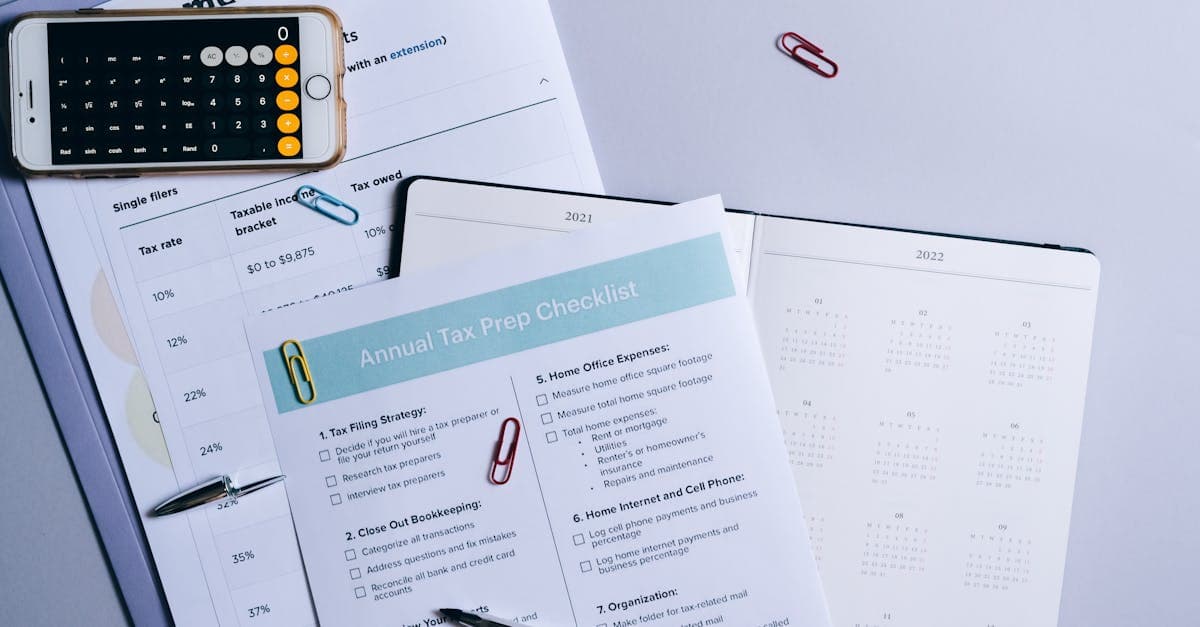
Think of your insurance coverage as a wardrobe. When you first buy your policies, they fit perfectly — the right size, the right style, the right coverage for your body of risk. But over time, your body changes. You gain assets, take on new responsibilities, and shed old ones. Your wardrobe stays the same while your body evolves.
A policy checkup is like trying on your clothes to see what still fits. Some coverage may be too tight — limits that were adequate five years ago are now restrictive. Some may be too loose — coverage for a car you no longer own or a home feature you have removed. And some may be completely wrong — coverage designed for a single renter that has not been updated for a married homeowner with children.
A policy checkup is the software update that patches vulnerabilities in your coverage before they can be exploited by uncovered losses. Without it, you face the outdated operating system running your insurance protection, full of unpatched gaps that modern risks can easily exploit. The wardrobe that fit perfectly when you bought it now leaves you exposed in some areas and overdressed in others.
The solution is simple: try everything on regularly. Review every policy, check every limit, verify every endorsement, and update every beneficiary. The items that still fit stay in the closet. The items that do not get replaced with coverage that matches your current shape.
This process takes an hour or two once a year — far less time than most people spend shopping for actual clothes. And the financial stakes of an ill-fitting insurance wardrobe are far higher than the fashion stakes of an outdated outfit.
The Post-Claim Policy Checkup: Learning From Experience
The statistics paint a clear picture. Filing an insurance claim provides real-world feedback on whether your coverage is adequate. A post-claim policy checkup converts that feedback into actionable improvements.
Was the coverage sufficient? The most basic question: did your coverage pay for the loss adequately? If you faced out-of-pocket costs beyond your deductible, your coverage may be insufficient. Identify where the shortfall occurred and increase the relevant limit.
Was the deductible manageable? If paying your deductible was financially stressful, consider lowering it. If the deductible was easy to manage and you want to reduce your premium, consider raising it. Your claim experience provides real data to calibrate your deductible level.
Were there coverage surprises? Many policyholders discover during a claim that they misunderstood their coverage. Maybe the deductible was higher than expected, or a specific type of damage was excluded, or the personal property limit did not cover the full loss. Document every surprise and address each one during your post-claim review.
Do you need additional endorsements? If the claim revealed coverage gaps — water backup damage that was not covered, scheduled item values that were outdated, business property in the home that was excluded — add the appropriate endorsements to prevent the same gap on a future claim.
How was the claims process? Evaluate your insurer's claims handling. Was the adjuster responsive and fair? Was the timeline reasonable? Was the communication clear? If the process was significantly below your expectations, a post-claim checkup is also a good time to consider whether a different insurer might serve you better.
Premium impact assessment: After a claim, your premium may increase at renewal. Factor this potential increase into your review and consider whether the claim was large enough to justify the filing — and whether a higher deductible might prevent small claims that trigger premium increases in the future.
The Annual Policy Checkup Process
The statistics paint a clear picture. An annual policy checkup is the software update that patches vulnerabilities in your coverage before they can be exploited by uncovered losses. It is the minimum frequency for reviewing your coverage and ensures that no more than twelve months pass without verifying that your protection still matches your needs.
Gather your documents: Start by collecting your current declarations pages for every policy — homeowners, auto, life, umbrella, and any specialty coverage. The declarations page shows your coverage limits, deductibles, endorsements, and premium for each policy. Having all policies in front of you at once reveals coordination issues that single-policy reviews miss.
Review coverage limits: For each policy, compare your current limits to your current needs. Is your dwelling coverage still adequate given construction cost changes and home improvements? Are your auto liability limits high enough for your current asset level? Is your life insurance death benefit still sufficient for your family's needs? Limits that were right three years ago may be dangerously low today.
Check deductibles: Evaluate whether your deductibles still match your financial capacity. If your savings have grown, you may benefit from higher deductibles that lower your premium. If your finances have tightened, a lower deductible may be worth the higher premium for better protection.
Review endorsements: Go through every endorsement on every policy. Are you still paying for scheduled jewelry coverage on an item you sold? Do you have a home business endorsement for a business you closed? Conversely, have you acquired valuables or started activities that need endorsement coverage you do not yet have?
Update beneficiaries: Review life insurance and retirement account beneficiary designations. These designations override your will and must be current. Marriage, divorce, births, and deaths all require beneficiary updates.
Ask about discounts: Insurance companies regularly add new discount programs. Ask your agent about discounts for home security systems, safe driving records, paperless billing, payment-in-full, multi-policy bundling, and any other programs you may qualify for.
The Beneficiary Review: The Most Overlooked Part of a Policy Checkup
When we analyze the data, Beneficiary designations on life insurance policies, retirement accounts, and other financial products are among the most commonly overlooked items in policy checkups — and among the most consequential when they are wrong.
Why beneficiary review matters: Beneficiary designations override your will. If your life insurance names your ex-spouse as beneficiary and you die without updating it, the death benefit goes to your ex-spouse — even if your will leaves everything to your current spouse. No court order, no family agreement, and no amount of common sense will redirect the payment.
When to update beneficiaries: Update immediately after marriage, divorce, the birth or adoption of a child, the death of a current beneficiary, and any change in your estate planning goals. These events are so common that beneficiary review should be a standing item on every policy checkup.
Primary and contingent beneficiaries: Always name both a primary beneficiary and a contingent beneficiary. The contingent beneficiary receives the benefit if the primary beneficiary predeceases you. Without a contingent beneficiary, the benefit may go to your estate and become subject to probate.
Per stirpes vs per capita: If you name multiple beneficiaries, understand the distribution method. Per stirpes means that if a beneficiary dies before you, their share goes to their children. Per capita means the share is divided among the surviving beneficiaries. Choose the method that matches your wishes.
Accounts to review: Check beneficiary designations on all life insurance policies, 401k and IRA accounts, annuities, transfer-on-death brokerage accounts, and payable-on-death bank accounts. Each account's beneficiary designation is independent and must be reviewed separately.
Documentation and communication: After updating beneficiaries, keep copies of the updated forms and inform your estate planning attorney. Some families also communicate beneficiary designations to family members to prevent surprises and disputes.
Preparing for Your Policy Checkup Meeting With Your Agent
The statistics paint a clear picture. A productive policy checkup with your agent requires preparation. Walking in with the right information and questions ensures you cover every important topic efficiently.
What to bring: Bring your current declarations pages for all policies. Bring a list of all life changes since your last review — marriage, divorce, births, home purchase, renovation, new vehicle, job change, retirement, or any other change. Bring a list of any claims you have filed. And bring any questions or concerns you want to discuss.
Questions to ask: Start with the big picture: given the changes in my life since our last review, are my coverages still appropriate? Then drill into specifics: is my dwelling coverage limit current? Are my auto liability limits adequate? Is my life insurance sufficient? Are there endorsements I should add or remove? Am I eligible for any new discounts?
Coverage adequacy questions: Ask your agent to run updated replacement cost estimates for your home. Ask them to review your liability limits against your current asset level. Ask whether your life insurance death benefit still provides adequate income replacement and debt coverage.
Savings questions: Ask about all available discounts you may not be receiving. Ask whether adjusting your deductibles would produce meaningful premium savings. Ask whether bundling policies or changing payment methods would reduce costs.
Market questions: Ask about any changes in the insurance market that affect your coverage — new endorsements available, regulatory changes, pricing trends, or new products that might benefit your situation.
Follow-up plan: Before ending the meeting, agree on specific action items — coverage changes to implement, additional information to gather, and a timeline for completion. Document the action items and follow up within two weeks to ensure everything has been executed.
Finding Premium Savings During Your Policy Checkup
When we analyze the data, One of the most rewarding outcomes of a policy checkup is discovering opportunities to reduce your premiums without sacrificing essential coverage. This is running regular diagnostics on your coverage to identify and fix vulnerabilities before they cause a system failure during a claim.
Deductible adjustments: Increasing your deductible from $500 to $1,000 or from $1,000 to $2,500 can reduce your premium by 10 to 25 percent. If you have sufficient savings to cover the higher deductible, this is one of the easiest premium reductions available.
Multi-policy bundling: If your auto and homeowners policies are with different companies, bundling them with one insurer typically saves 10 to 20 percent. Ask each insurer what discount they offer for carrying both policies.
Discount eligibility: Insurance companies offer discounts that policyholders frequently miss. Home security systems, smoke detectors, fire extinguishers, deadbolt locks, and impact-resistant roofing can all reduce homeowners premiums. Safe driving records, defensive driving courses, low mileage, and anti-theft devices reduce auto premiums. Ask your agent for a complete list of available discounts.
Removing unnecessary coverage: Your checkup may reveal coverage you no longer need. Rental car reimbursement if you have multiple vehicles. Roadside assistance if you have it through AAA or your vehicle manufacturer. Collision coverage on a vehicle that has depreciated below the point where the coverage makes financial sense.
Payment method savings: Many insurers offer discounts for paying annually instead of monthly, for electronic funds transfer, for paperless billing, or for enrollment in autopay. These administrative savings can reduce your premium by 3 to 8 percent.
Competitive shopping: After your checkup identifies your coverage needs, compare quotes from multiple carriers. Rates vary significantly between insurers for identical coverage. Shopping every two to three years ensures you remain competitively priced.
Credit score impact: In states where credit-based insurance scores are used, improving your credit can lower your premium. If your credit has improved since your last review, ask your insurer to re-rate your policy.
Using Digital Tools for Your Policy Checkup
The statistics paint a clear picture. Technology has made policy checkups more accessible and efficient than ever. Digital tools can supplement — though not replace — a conversation with your agent.
Online policy portals: Most insurers provide online access to your policy details including declarations pages, coverage summaries, endorsement lists, and claims history. Log in to your portal before your checkup to have all information at your fingertips.
Coverage calculators: Many insurer websites and independent tools offer coverage calculators that estimate your recommended dwelling coverage, auto liability limits, and life insurance needs based on your current information. These calculators provide useful benchmarks for your checkup.
Replacement cost estimators: Online tools can estimate your home's replacement cost using public data, satellite imagery, and construction cost databases. While these are not as precise as a professional appraisal, they provide a useful comparison to your current dwelling coverage limit.
Comparison shopping tools: After your checkup identifies your coverage needs, online comparison tools let you request quotes from multiple insurers simultaneously. Use these tools every two to three years to verify that your current carrier remains competitive.
Policy management apps: Some insurers and third-party apps aggregate all your insurance policies in one place, track renewal dates, and send review reminders. These tools make it easier to maintain the checkup habit.
Document storage: Digital document storage — cloud drives, insurer portals, or dedicated apps — keeps your policy documents, declarations pages, and home inventory accessible from anywhere. Having your documents organized digitally makes your checkup faster and more thorough.
Limitations of digital tools: Digital tools are supplements, not substitutes, for human judgment and professional advice. Complex situations — business insurance, estate planning, high-value assets — benefit from a conversation with a knowledgeable agent who can evaluate your specific circumstances.
The Life Insurance Policy Checkup: What to Review
The statistics paint a clear picture. Life insurance needs change dramatically over your lifetime. A policy that was adequate when purchased may be insufficient or excessive depending on how your life has evolved.
Coverage adequacy: The fundamental question is whether your death benefit would provide sufficient financial support for your dependents. Factor in income replacement, mortgage payoff, children's education, outstanding debts, and final expenses. If your income has increased or your family has grown, you likely need more coverage.
Beneficiary designations: This is the most commonly overlooked item in life insurance checkups. Verify that your primary and contingent beneficiaries are current and reflect your wishes. Marriage, divorce, births, and deaths all require beneficiary updates. Remember that beneficiary designations override your will.
Term policy expiration: If you have term life insurance, check the expiration date. If the term is ending soon and you still need coverage, explore renewal options or new policies before you age out of affordable rates.
Conversion options: Many term policies include conversion options that let you convert to permanent coverage without a medical exam. If your health has changed and you need ongoing coverage, reviewing your conversion window is critical.
Employer-provided coverage: If you have life insurance through your employer, understand the coverage amount (typically one to two times salary) and whether it is portable if you leave the job. Employer coverage alone is rarely sufficient, but it should be factored into your total coverage calculation.
Permanent policy performance: If you have whole life or universal life insurance, review the policy's cash value growth, premium payment status, and whether the policy is performing as originally illustrated. Underperforming policies may need adjustments or additional premium payments.
Coverage you no longer need: If your children are grown, your mortgage is paid, and your spouse has sufficient retirement savings, you may need less life insurance than before. Reducing coverage on a permanent policy can free up premium dollars. Letting an unneeded term policy expire saves the premium entirely.
Endorsement Review: Fine-Tuning Your Coverage
When we analyze the data, Endorsements modify your base policy by adding, removing, or changing specific coverage. Reviewing your endorsements during a policy checkup ensures you are paying only for coverage you need and have endorsements for risks you face.
Scheduled personal property: If you have scheduled coverage for jewelry, art, musical instruments, or other valuables, verify that the scheduled values reflect current replacement costs. Jewelry and art can appreciate significantly, and outdated scheduled values leave you underinsured.
Water backup coverage: This endorsement covers damage from sewer or drain backup, which is excluded from standard homeowners policies. If your home has a basement, is connected to a municipal sewer system, or has experienced drainage issues, this endorsement is essential.
Identity theft coverage: Identity theft endorsements provide expense reimbursement and professional assistance if your identity is compromised. As data breaches become more common, this affordable endorsement is increasingly valuable.
Home business endorsement: If you work from home or run a side business from your residence, your homeowners policy may not cover business equipment or business liability. A home business endorsement or separate business policy addresses this gap.
Ordinance or law coverage: This endorsement pays for building code upgrades required during reconstruction after a covered loss. If your home is more than 15 to 20 years old, the gap between original construction and current codes is significant enough to warrant this coverage.
Equipment breakdown coverage: This endorsement covers mechanical and electrical breakdown of home systems — HVAC, appliances, electrical panels — that standard coverage excludes. If your home has aging systems, this endorsement can save significant repair costs.
Endorsements to consider removing: If you previously added coverage for a situation that no longer exists — a home business you closed, a watercraft you sold, a scheduled item you no longer own — removing the endorsement reduces your premium without reducing your protection.
Take Action on Your Policy Checkup Today
The best time to conduct a policy checkup is right now. The second best time is at your next policy renewal. The worst time is during a claim when it is too late to fix what a checkup would have revealed.
Start by pulling out your declarations pages for every policy. Spend thirty minutes comparing your coverage limits to your current needs. Identify the biggest gaps and the most obvious savings opportunities.
Then schedule a meeting with your agent to discuss your findings. Come prepared with your life changes, your questions, and your coverage concerns. Leave the meeting with specific action items and a timeline for implementing them.
Finally, set a calendar reminder for your next annual checkup. Making this a recurring appointment is running regular diagnostics on your coverage to identify and fix vulnerabilities before they cause a system failure during a claim. One to two hours per year keeps your coverage aligned with your life and prevents the costly surprises that neglect produces.
The return on investment is extraordinary. A few hours of attention prevent thousands in uncovered losses and save hundreds in unnecessary premiums. No other personal finance activity delivers this much value with this little effort.
Most people wait too long. Truscott's guide on when to get a policy checkup has a simple trigger list worth running through.
Continue reading

Coverage Limits Compared: How to Spot the Differences Between Insurance Quotes
Two quotes with identical premiums can have vastly different coverage limits. Knowing how to identify and compare these limits ensures you select the policy that actually protects your assets.

Assignment of Benefits and Water Damage Claims: A Common Scenario
Water mitigation companies frequently ask homeowners to sign AOBs after pipe bursts and floods. Learn why water damage claims are the most common setting for AOB agreements.

What Causes Insurance Claim Delays and How to Avoid Them
Missing documentation, adjuster backlogs, disputed coverage, and contractor availability are the most common causes of claim delays. Addressing each one proactively keeps your timeline on track.