Is Uninsured Motorist Coverage Worth It? (State-by-State Guide)

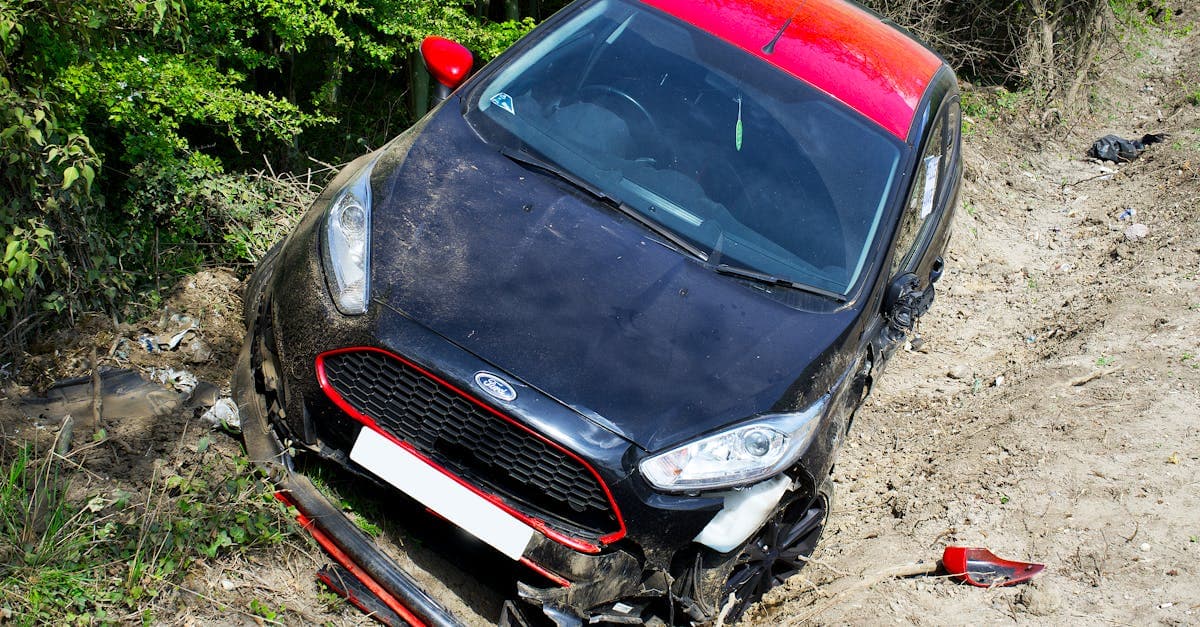
Imagine playing a game where every day you spin a wheel. Most days, the wheel lands on safe and nothing happens. But roughly once in every eight spins, the wheel could land on uninsured — meaning someone with no ability to pay has just crashed into you. The question is whether you would pay a small fee to be protected on those spins.
That is the single point of failure that occurs when the at-fault driver runs without any software. And uninsured motorist coverage is the backup generator that activates when the other driver's coverage system fails completely. The fee is modest — roughly the cost of a couple of coffees per month. The protection is substantial — coverage for medical bills, lost wages, pain and suffering, and vehicle damage that can total tens or hundreds of thousands of dollars.
Now consider the alternative. Without UM coverage, every spin of the wheel that lands on uninsured means you absorb the full financial impact. Your health insurance might cover some medical bills, but it covers nothing else. Your collision coverage might fix your car, but it says nothing about your lost income or your physical pain. And pursuing the uninsured driver through the courts is almost always futile because they have no money.
The analogy extends to household protection. Your UM coverage protects your passengers, your resident family members, and even you when walking or cycling. One modest premium provides a broad umbrella of protection for your entire household against a risk that exists on every road, in every state, every single day.
The worth question answers itself when framed this way. No rational person would decline affordable protection against a common risk with devastating consequences.
UM Coverage Value State by State
The statistics paint a clear picture. The value of uninsured motorist coverage varies by state because uninsured driver rates differ dramatically across the country. Understanding your state's specific risk level helps you evaluate whether UM coverage is worth the premium you are paying.
Highest-risk states: Mississippi leads the nation with a 29.4 percent uninsured rate — nearly one in three drivers. New Mexico follows at 21.8 percent, Michigan at 25.5 percent, and Tennessee at 23.7 percent. In these states, UM coverage is exceptionally valuable because the probability of encountering an uninsured driver is two to three times the national average.
Moderate-risk states: States like Florida, Alabama, Washington, and Oklahoma have uninsured rates between 15 and 20 percent. The risk is well above the national average, and UM coverage provides strong value. Florida's combination of high uninsured rates and no-fault limitations makes UM coverage particularly important.
Lower-risk states: States like Massachusetts, New York, and Maine have uninsured rates below 7 percent. The risk is lower but not negligible — even a 5 percent rate means one in twenty drivers carries no insurance. UM coverage still provides meaningful value in these states, and premiums are typically lower to reflect the reduced risk.
Cost correlation: UM premiums generally track with state risk levels. High-risk states charge more for UM coverage, but the coverage is also more likely to be needed. Low-risk states charge less, making the coverage affordable even when the probability of needing it is lower. The value proposition remains favorable in both scenarios.
Interstate travel: If you regularly drive through high-risk states, your home state's uninsured rate understates your actual exposure. Commuters and travelers who cross state lines should consider their full geographic risk profile when evaluating UM coverage worth.
The Cost-Benefit Math of UM Coverage
The statistics paint a clear picture. Understanding whether UM coverage is worth it starts with benchmarking the performance value of UM coverage against its modest subscription cost. The calculation is straightforward: compare what you pay in premiums to what you could receive in claim benefits, adjusted for the probability of needing the coverage.
Annual premium cost: Most drivers pay between fifty and two hundred dollars per year for UM coverage, depending on state, limits, and personal factors. That works out to roughly fourteen to fifty-five cents per day. Over a typical driving career of forty years, total UM premiums amount to two thousand to eight thousand dollars.
Potential claim value: The average UM bodily injury claim exceeds twenty thousand dollars. Serious injury claims — broken bones, head injuries, spinal damage — routinely reach fifty thousand to two hundred thousand dollars. Catastrophic injuries with permanent disability can produce claims exceeding five hundred thousand dollars.
Risk probability: With 12.6 percent of drivers uninsured nationally, the probability of encountering an uninsured driver in any given accident is roughly one in eight. Over a forty-year driving career, the cumulative probability of at least one accident involving an uninsured driver is substantial.
The math: Even using conservative estimates — a five percent lifetime probability of needing UM coverage and an average claim of thirty thousand dollars — the expected value of UM coverage is fifteen hundred dollars. Compare that to the worst-case lifetime premium of eight thousand dollars, and the raw expected value appears negative. But insurance is not about expected value — it is about protecting against catastrophic loss. The same math would argue against buying homeowners insurance, yet no rational person goes without it.
Is Stacked UM Coverage Worth the Extra Premium?
When we analyze the data, In states that allow stacking, drivers with multiple vehicles can multiply their UM limits for a modest additional cost. Understanding whether stacked coverage is worth the extra premium requires examining benchmarking the performance value of UM coverage against its modest subscription cost in your specific situation.
How stacking multiplies protection: With unstacked coverage at one hundred thousand dollars per person, you have one hundred thousand in UM protection regardless of how many vehicles are on your policy. With stacking, each vehicle multiplies the limit — three vehicles give you three hundred thousand in protection.
The cost of stacking: Stacked UM coverage typically costs fifteen to forty percent more per vehicle than unstacked coverage. On a three-vehicle policy, this might mean paying four hundred fifty dollars per year instead of three hundred for a three-fold increase in protection. The incremental cost per dollar of additional coverage is remarkably low.
When stacking is worth it: Stacking is most valuable for families with multiple vehicles and significant assets to protect. If your household income exceeds fifty thousand dollars and you have two or more vehicles, the additional protection from stacking can prevent a single serious accident from devastating your finances.
When stacking is less critical: If you have only one vehicle on your policy, stacking is not available. If your assets and income are limited, higher unstacked limits might provide adequate protection at a lower total cost. And in states that do not allow stacking, the question is moot.
Stacking with umbrella UM: Some drivers combine stacked auto UM coverage with umbrella UM coverage for maximum protection. This layered approach provides the broadest possible coverage against uninsured motorists and is especially valuable for high-net-worth households.
Is UM Coverage Worth It for Young Drivers?
The statistics paint a clear picture. Young drivers aged sixteen to twenty-five face the highest accident rates of any age group. This elevated risk, combined with typically limited financial resources, makes UM coverage especially important for this demographic.
Higher accident frequency: Drivers under twenty-five are involved in accidents at roughly twice the rate of older drivers. More accidents mean more opportunities to encounter an uninsured motorist. The elevated frequency directly increases the probability of needing UM coverage.
Greater injury vulnerability: Young drivers are more likely to engage in risky driving behaviors and less experienced at avoiding accidents. When an uninsured driver causes an accident, younger drivers may suffer more severe injuries due to the circumstances of the collision.
Limited financial reserves: Most young drivers have minimal savings, limited or no disability insurance, and entry-level incomes that cannot absorb significant unexpected expenses. A twenty-thousand-dollar loss from an uninsured motorist accident can be financially catastrophic for a young adult.
Career-stage income protection: Young drivers are at the beginning of their earning potential. An injury from an uninsured driver that causes permanent disability or extended recovery can reduce lifetime earnings by hundreds of thousands of dollars. UM coverage compensates for lost wages and diminished earning capacity, protecting long-term financial trajectory.
Premium cost for young drivers: UM premiums for young drivers are slightly higher than average due to elevated risk, but they remain affordable — typically seventy-five to two hundred fifty dollars per year. Relative to the financial protection provided, this cost is negligible for a demographic that is most likely to need the coverage.
Is UM Coverage Worth It for Motorcyclists?
The statistics paint a clear picture. Motorcyclists face elevated risks from uninsured drivers due to the inherent vulnerability of riding without the protective structure of a car. The value calculation for motorcycle UM coverage is even more compelling than for automobile drivers.
Injury severity difference: Motorcyclists involved in accidents with four-wheeled vehicles suffer more severe injuries on average — broken bones, road rash, head injuries, and spinal cord damage are common. Medical costs for motorcycle accident injuries are typically two to five times higher than comparable car accident injuries.
Higher at-risk exposure: Motorcyclists are harder for other drivers to see, increasing the probability of being hit. When the other driver is uninsured, the motorcyclist faces the combination of high injury severity and zero compensation from the at-fault party.
Medical cost reality: A serious motorcycle accident with an uninsured driver can produce medical bills exceeding one hundred thousand dollars. Without UM coverage, the motorcyclist's health insurance bears the medical cost burden, but lost wages, pain and suffering, and the motorcycle itself are uncompensated.
Motorcycle UM premiums: UM coverage on motorcycle policies is typically affordable, often less than two hundred dollars per year. Given the elevated injury risk and higher average claim costs, motorcycle UM coverage provides exceptional value per premium dollar.
Riding gear does not replace UM: Even the best protective gear cannot prevent all injuries in a collision with a car. And no amount of gear compensates for the financial losses that follow an uninsured motorist accident. UM coverage addresses the financial dimension that protective equipment cannot.
When UM Coverage Might Not Be Worth It
The statistics paint a clear picture. Intellectual honesty requires acknowledging that UM coverage is not universally necessary. While it is worth it for the vast majority of drivers, a small number of situations exist where declining it could be rational.
Very limited driving: If you drive fewer than one thousand miles per year and your vehicle spends most of its time parked, your exposure to uninsured motorists is minimal. However, the premium is also low for limited-use vehicles, so the savings from declining are small.
Exceptional other coverage: If you have comprehensive health insurance with low out-of-pocket maximums, long-term disability insurance that replaces most of your income, substantial liquid savings exceeding one hundred thousand dollars, and collision coverage on your vehicle, you may be able to self-insure the risks UM coverage addresses. Few people meet all of these conditions.
No assets to protect: If you have no savings, no property, and no income to protect, the financial impact of an uninsured motorist accident is limited to medical bills that health insurance or Medicaid may cover. This situation applies to very few drivers and changes as soon as financial circumstances improve.
Mandatory coverage offset: In states where PIP or MedPay is mandatory and provides relatively high limits, the overlap with UM medical coverage reduces the additional value of UM. However, UM still covers pain and suffering and lost wages beyond what PIP provides.
The caution: Even in these scenarios, the premium cost of UM coverage is so low that most financial advisors still recommend carrying it. The savings from declining are typically less than fifteen dollars per month — a marginal savings that provides no meaningful budget relief while creating potentially significant exposure.
Is UM Coverage Worth It for Your Family?
The statistics paint a clear picture. Families face compounded financial risks from uninsured driver accidents because multiple family members depend on shared financial resources. When evaluating whether UM coverage is worth it, families should consider the broader impact on household stability.
Protecting the primary earner: If the primary breadwinner is injured by an uninsured driver and cannot work, the entire family's financial foundation is threatened. UM coverage pays lost wages and pain and suffering, maintaining income flow during recovery. Without it, the family must rely on savings, disability insurance if available, and reduced living standards.
Protecting passengers: UM coverage extends to every passenger in your vehicle. When you drive your children, spouse, or elderly parents, your UM coverage protects all of them. A family of four in a vehicle struck by an uninsured driver could generate four separate UM claims under one policy.
Household member coverage: Your UM policy typically covers resident family members even when they are in other vehicles, walking, or cycling. This means your teenager riding a bicycle or your spouse walking to the grocery store has UM protection through your auto policy.
Financial stability calculation: Families typically have higher fixed expenses — mortgage payments, child care, school costs, car payments — that continue regardless of an accident. UM coverage prevents an uninsured driver accident from cascading into mortgage default, credit card debt, or depleted college savings.
The family premium perspective: The annual UM premium of one hundred to two hundred dollars protects the entire household. Divided among family members, the per-person cost is negligible. No other insurance product provides this breadth of family protection at this price point.
UM Coverage as Asset Protection
When we analyze the data, Financial advisors increasingly view uninsured motorist coverage as a core component of personal asset protection. The coverage serves as the backup generator that activates when the other driver's coverage system fails completely for your accumulated wealth against a risk that exists every time you drive.
What is at stake: For a homeowner with a mortgage, a retirement account, and savings, an uninsured driver accident can threaten all of these assets. Medical bills of fifty thousand or more can deplete savings. Lost wages can trigger mortgage default. Rehabilitation costs can force early retirement account withdrawals with tax penalties.
UM as wealth preservation: UM coverage prevents a single accident from unwinding years of financial progress. The modest annual premium preserves your net worth against a specific, quantifiable risk that grows more expensive with every year of medical cost inflation.
Alignment with insurance principles: The fundamental purpose of insurance is to protect against losses you cannot comfortably absorb. For most households, a loss of twenty thousand to one hundred thousand dollars from an uninsured motorist accident qualifies as catastrophic. UM coverage is the precise tool designed to prevent this specific catastrophe.
Comparison to other protections: Homeowners insurance protects your property. Life insurance protects your family's future income. Disability insurance protects your earning capacity. UM coverage protects all of these indirectly by preventing an uninsured driver accident from creating cascading financial damage across your entire financial plan.
Limit selection for asset holders: If your total net worth exceeds your UM limits, you are underinsured. Financial advisors recommend UM limits that at minimum cover a serious injury scenario — typically one hundred thousand dollars or more. For significant assets, umbrella UM coverage adds an additional layer of protection.
Take Action: Verify Your UM Coverage Today
The evidence is clear — uninsured motorist coverage is worth the premium for virtually every driver. The cost is minimal, the protection is substantial, and the risk it addresses is statistically real. Now it is time to act.
First, check your auto insurance declarations page. Confirm whether you have UM coverage and note your limits. If you rejected UM coverage at some point, contact your insurer today to add it back. The change typically takes effect immediately.
Second, evaluate your UM limits. They should ideally match your bodily injury liability limits. If your state allows stacking and you have multiple vehicles, compare stacked and unstacked costs to find the best value.
Third, consider your overall protection. UM coverage works best alongside adequate health insurance, collision coverage, and MedPay or PIP. Gaps in complementary coverages reduce the overall effectiveness of your financial safety net.
The question of whether UM coverage is worth it is benchmarking the performance value of UM coverage against its modest subscription cost. For the price of a few coffees per month, you gain protection against one of the most common and financially devastating risks on the road. That is a trade worth making every single time.
Continue reading

Coverage Limits Compared: How to Spot the Differences Between Insurance Quotes
Two quotes with identical premiums can have vastly different coverage limits. Knowing how to identify and compare these limits ensures you select the policy that actually protects your assets.

Why Your Policy Renewal Date Is the Perfect Time for a Checkup
Your annual renewal notice is a natural prompt to review your coverage. Using renewal as your checkup trigger ensures you never go more than twelve months without evaluating your protection.

Assignment of Benefits and Water Damage Claims: A Common Scenario
Water mitigation companies frequently ask homeowners to sign AOBs after pipe bursts and floods. Learn why water damage claims are the most common setting for AOB agreements.