Named Storm Deductibles vs Hurricane Deductibles in Florida Policies

Buying homeowners insurance in Florida without asking the right questions is like buying a boat without checking whether it has a bilge pump — everything looks fine until you are taking on water and discover the equipment you assumed was included was never installed.
Asking the right questions before buying is the security audit that scans your Florida homeowners policy for vulnerabilities before hackers in the form of hurricanes and floods exploit them. Failing to ask is the zero-day exploit that crashes through your defenses when a Florida-specific peril strikes a coverage gap you never knew existed. The coverage features that matter most in Florida — hurricane deductible structure, flood exclusion awareness, insurer financial stability, roof age treatment — are not always visible on the surface. They hide in policy language, deductible schedules, and company financial filings.
Think of your Florida homeowners policy as a contract with many moving parts. Your dwelling coverage is the engine. Your hurricane deductible is the fuel efficiency — it determines how much you pay per claim. Your flood insurance is the life jacket — you hope you never need it, but going without it in Florida is reckless. And your insurer's financial strength is the hull integrity — it determines whether the whole thing holds together when you need it most.
Just as a careful boat buyer inspects the hull, tests the engine, verifies the safety equipment, and checks the maintenance records, a careful Florida insurance buyer examines coverage limits, questions deductible structures, evaluates exclusions, and verifies insurer stability. This guide provides the inspection checklist.
Insurance Claim Disputes in Florida: Know Your Options
The statistics paint a clear picture. Even with the right policy, claim disputes can arise in Florida. Understanding your dispute resolution options before you need them prepares you to advocate effectively for a fair settlement.
Internal appeal process: Your first step when disputing a claim decision is your insurer's internal appeal process. Submit additional documentation, contractor estimates, and photographs that support your claim. Many disputes are resolved at this stage.
Florida Department of Financial Services mediation: The DFS offers a free mediation program for Florida homeowners insurance disputes. A neutral mediator helps you and your insurer negotiate a resolution. Mediation is voluntary but frequently results in settlements.
Appraisal process: Most Florida homeowners policies contain an appraisal clause that allows either party to demand an appraisal when there is a disagreement about the amount of a covered loss. Each side selects an appraiser, and the two appraisers select an umpire to resolve disputes.
Public adjusters: Florida public adjusters work on behalf of homeowners to assess damage and negotiate with insurers. They charge a percentage of the claim settlement — typically 10 to 20 percent. Consider the cost-benefit before hiring one.
Attorney consultation: For complex or high-value claim disputes, consulting a Florida insurance attorney provides legal guidance on your rights and options. Florida law provides specific protections for policyholders in claim disputes.
Time limits for action: Florida law sets deadlines for reporting claims, filing proofs of loss, and initiating legal action against insurers. Missing these deadlines can forfeit your claim rights.
The essential question to ask: Ask your agent to explain the claim dispute process for your specific insurer, what your policy's appraisal clause provides, and what external dispute resolution options are available through the Florida Department of Financial Services.
Understanding Florida Hurricane Deductibles
The statistics paint a clear picture. Knowing how your hurricane deductible works is the security audit that scans your Florida homeowners policy for vulnerabilities before hackers in the form of hurricanes and floods exploit them. Florida hurricane deductibles are fundamentally different from standard all-other-perils deductibles, and this difference catches homeowners off guard every storm season.
Percentage-based calculation: Florida hurricane deductibles are typically expressed as a percentage of your dwelling coverage — usually 2 percent, 5 percent, or sometimes 10 percent. On a home insured for $400,000, a 2 percent hurricane deductible is $8,000, and a 5 percent deductible is $20,000.
When the hurricane deductible applies: The hurricane deductible triggers when the National Hurricane Center declares a hurricane and your property sustains wind damage from that event. Some policies trigger on any named storm, which has a lower threshold than a hurricane declaration.
One deductible per season vs per storm: Florida policies typically apply the hurricane deductible once per calendar year rather than per storm. If two hurricanes strike in the same season, you pay the deductible once, not twice.
Choosing your deductible level: Lower percentage deductibles cost more in annual premium but reduce your out-of-pocket costs on claims. Higher percentage deductibles reduce premiums but increase your financial exposure. Calculate the actual dollar amount at each percentage level before choosing.
Deductible buy-back options: Some Florida insurers offer deductible buy-back endorsements that reduce your hurricane deductible for an additional premium. This can be cost-effective for homeowners who want lower out-of-pocket costs but still want the base premium benefit of a higher deductible.
The essential question to ask: Ask your agent to calculate your hurricane deductible in actual dollars at each available percentage level, and compare the annual premium difference against the out-of-pocket difference on a potential claim.
Water Damage Coverage Gaps in Florida Homeowners Policies
When we analyze the data, Water damage is the most common source of Florida homeowners claims, but not all water damage is covered equally. Understanding which water scenarios your policy covers and which it excludes prevents costly claim denials.
Sudden and accidental water damage: Your Florida homeowners policy covers water damage from sudden internal events — a burst pipe, a failed water heater, an overflowing appliance. The key is that the damage must be sudden and accidental, not gradual.
Gradual water damage exclusion: Slow leaks, seeping pipes, and long-term moisture intrusion that you should have noticed and repaired are typically excluded as maintenance-related damage. If a pipe has been leaking for months, the resulting damage may not be covered.
Flood water exclusion: All external water entering your home from outside — storm surge, rising groundwater, surface runoff, and overflowing waterways — is excluded as flood damage and requires a separate flood insurance policy.
Sewer backup: Water that backs up through your drains and sewer connections is not covered by standard homeowners policies. A sewer backup endorsement, typically costing $40 to $150 per year, adds this critical coverage.
Wind-driven rain: Rain that enters through openings created by wind damage — a hole in the roof, a broken window — is generally covered as wind damage. But rain that enters through intact but poorly sealed windows or doors may be denied as a maintenance issue.
Mold from water damage: Florida's humidity makes mold a frequent consequence of water damage. Most Florida policies cap mold coverage at $10,000 or less. If water damage leads to extensive mold, your mold coverage limit may be insufficient.
The essential question to ask: Ask your agent to walk through each type of water damage scenario — burst pipes, slow leaks, sewer backup, flood, wind-driven rain — and explain which your policy covers, which require endorsements, and which need separate policies.
Liability Coverage Questions Every Florida Homeowner Should Ask
The statistics paint a clear picture. Liability coverage protects you when someone is injured on your Florida property or you cause damage to someone else's property. Florida's outdoor lifestyle, pools, and year-round activity create liability exposure that requires careful evaluation.
Standard liability limits: Florida homeowners policies typically offer liability coverage starting at $100,000, with options to increase to $300,000 or $500,000. Given the potential severity of injury claims, most financial advisors recommend at least $300,000.
Swimming pool liability: Florida has one of the highest rates of pool ownership in the country. Pools significantly increase liability exposure, especially for child drowning and diving injuries. Insurers may require specific safety features like fences, alarms, and covers.
Dog bite liability: Florida follows strict liability for dog bites, meaning the owner is liable regardless of the dog's history. Some Florida insurers exclude certain dog breeds from liability coverage. If you own a dog, confirm that your policy covers dog bite claims.
Recreational features: Trampolines, swing sets, docks, boat lifts, and other recreational features increase liability exposure. Some features may be excluded from coverage or require additional endorsements. Disclose all recreational features to your insurer.
Medical payments coverage: Med-pay covers small injury claims on your property regardless of fault, typically up to $1,000 to $5,000 per person. This no-fault coverage handles minor incidents without triggering a liability claim.
Umbrella policy consideration: For Florida homeowners with pools, docks, rental properties, or significant assets, an umbrella policy provides liability coverage above your homeowners and auto policy limits, typically in $1 million increments at relatively modest premiums.
The essential question to ask: Ask your agent what liability limit your policy carries, whether any features of your property are excluded from liability coverage, what the med-pay limit is, and whether an umbrella policy would be appropriate given your specific risk factors.
Four-Point Inspections: What Florida Insurers Are Looking For
When we analyze the data, Many Florida insurers require a four-point inspection before issuing or renewing a homeowners policy, especially for older homes. Understanding what the inspection covers and how to prepare for it speeds up your insurance application.
Roof evaluation: The inspector assesses the roof type, material, age, condition, and estimated remaining useful life. Roofs with less than five years of expected life may result in coverage denial or restrictions. Missing shingles, signs of damage, or visible wear are documented.
Electrical system inspection: The inspector evaluates the type of wiring, circuit breaker panel brand and condition, and evidence of any electrical hazards. Federal Pacific panels, Zinsco panels, aluminum wiring, and knob-and-tube wiring are red flags for Florida insurers.
Plumbing system review: The inspector examines pipe material, water heater age and condition, and evidence of leaks or water damage. Polybutylene pipes and old galvanized steel pipes can be disqualifying factors with some insurers.
HVAC system assessment: The inspector checks the age and condition of your heating and cooling system. While HVAC issues are less likely to disqualify you than roof or electrical problems, an extremely old or poorly maintained system can affect underwriting.
Preparing for the inspection: Before scheduling a four-point inspection, address visible issues you can fix. Replace missing shingles, repair obvious leaks, and ensure your electrical panel is accessible and properly labeled. Small repairs can prevent inspection-related delays.
The essential question to ask: Ask your agent which insurers require four-point inspections for your home, what specific findings could disqualify you from coverage, and whether you can get a preliminary assessment of potential issues before scheduling the formal inspection.
How to File a Florida Homeowners Insurance Claim Successfully
The statistics paint a clear picture. Knowing the claim filing process before you need it ensures faster recovery and better outcomes. Florida claims, especially after hurricanes, involve specific steps and timelines that homeowners should understand in advance.
Immediate documentation: After damage occurs, document everything before beginning cleanup or repairs. Photograph and video all damage from multiple angles. Save damaged items that you can store safely. Create a written inventory of damaged property with estimated values.
Prompt reporting: Report your claim to your insurer as soon as possible. Florida law sets time limits for claim reporting, and delays can complicate your claim. Have your policy number, date of loss, and a brief description of damage ready when you call.
Emergency repairs vs permanent repairs: You can make emergency repairs to prevent further damage — tarping a damaged roof, boarding up broken windows, extracting standing water — without waiting for adjuster approval. Keep receipts for all emergency repair costs.
Adjuster inspection: Your insurer will send an adjuster to inspect the damage. Be present during the inspection to ensure all damage is documented. Walk the adjuster through every affected area and point out damage that might not be immediately visible.
Getting your own estimate: You have the right to obtain independent repair estimates from licensed contractors. If your insurer's estimate seems low, present your own estimates and supporting documentation to negotiate a fair settlement.
The essential question to ask: Ask your agent what the specific claim reporting process is for your insurer, what documentation you should prepare in advance of any loss, what the typical timeline is from claim reporting to payment, and who your contact would be during the claims process.
Wind Mitigation Discounts: Saving Money on Florida Insurance
The statistics paint a clear picture. Florida law requires insurers to offer premium discounts for homes with specific wind-resistant construction features. A wind mitigation inspection can document these features and potentially reduce your premium by 20 to 50 percent or more.
What a wind mitigation inspection covers: A certified inspector evaluates seven key building features: roof covering type and age, roof deck attachment method, roof-to-wall connection type, roof shape (hip vs gable), secondary water resistance barrier, opening protection (shutters or impact windows), and building code year.
Roof-to-wall connections: The method used to connect your roof structure to your walls has a major impact on wind resistance and premium discounts. Clips, single wraps, and double wraps each provide increasing levels of protection and correspondingly larger discounts.
Opening protection: Homes with impact-resistant windows and doors or code-approved storm shutters on all openings qualify for substantial discounts. The protection must cover every opening to earn the full credit.
Secondary water resistance: A sealed roof deck — where the plywood sheathing under your roofing material has a waterproof membrane — prevents water intrusion even if shingles are blown off. This feature earns a significant premium discount.
Hip roof vs gable roof: Hip roofs with four sloping sides perform better in hurricanes than gable roofs with vertical end walls. If your home has a hip roof, the wind mitigation inspection documents this for a premium credit.
The essential question to ask: Ask your agent whether you have a current wind mitigation inspection on file, what features your home has that qualify for discounts, and how much you could save by getting an inspection or making specific improvements to your home.
Named Storm vs Hurricane Deductibles: A Critical Florida Distinction
When we analyze the data, Not all Florida policies define their wind deductible triggers the same way. The difference between a named storm deductible and a hurricane deductible can mean thousands of dollars in out-of-pocket costs depending on how a weather event is classified.
Hurricane deductible triggers: A hurricane deductible applies only when the National Hurricane Center declares a hurricane — sustained winds of 74 mph or greater. If a tropical storm with 65 mph winds damages your home, your standard all-other-perils deductible applies, which is typically much lower.
Named storm deductible triggers: A named storm deductible applies to any named tropical weather event — tropical storms, tropical depressions that receive names, and hurricanes. This broader trigger means your higher percentage deductible applies to more weather events.
The financial difference: If you have a 2 percent named storm deductible on a $400,000 home, your $8,000 deductible applies when Tropical Storm Amy causes wind damage. If you had a hurricane deductible instead, your standard $1,000 or $2,500 all-other-perils deductible would apply for the same tropical storm damage.
Policy language matters: The specific language in your policy determines which deductible applies. Do not assume — read the deductible section of your policy or ask your agent to clarify whether your wind deductible triggers on any named storm or only on hurricanes.
Premium implications: Named storm deductibles may carry slightly lower premiums than hurricane deductibles because the broader trigger shifts more cost to you. But the premium savings may not justify the increased out-of-pocket exposure for tropical storm events.
The essential question to ask: Ask your agent whether your policy has a hurricane deductible or a named storm deductible, what specific event declaration triggers the higher deductible, and what the premium difference would be if you switched to the other type.
Take Action: Ask These Questions Before You Sign
Understanding Florida homeowners insurance requires asking the right questions at the right time — before you purchase your policy, not after you file your first claim. Here is your action plan.
First, schedule a detailed conversation with your insurance agent. Bring the questions from this guide and expect thorough answers. If your agent cannot explain hurricane deductibles, flood exclusions, or insurer financial ratings clearly, find an agent who can.
Second, get multiple quotes with standardized coverage levels so you can make meaningful comparisons. Compare not just premiums but deductible structures, endorsement options, exclusions, and insurer financial strength.
Third, schedule a wind mitigation inspection to document qualifying features and earn premium discounts. This single step can save you 20 to 50 percent on your annual premium.
Fourth, evaluate your flood insurance needs separately. Every Florida homeowner should at least get a flood insurance quote, regardless of flood zone designation.
Every question you ask before buying is running a complete system diagnostic on your Florida policy to ensure every firewall is properly configured against the state's unique threats. The Florida homeowners who navigate claims successfully are those who understood their coverage before they needed it. Invest the time now to ask these questions, and you will be prepared for whatever Florida's weather delivers.
Continue reading

Coverage Limits Compared: How to Spot the Differences Between Insurance Quotes
Two quotes with identical premiums can have vastly different coverage limits. Knowing how to identify and compare these limits ensures you select the policy that actually protects your assets.
Why Your Policy Renewal Date Is the Perfect Time for a Checkup
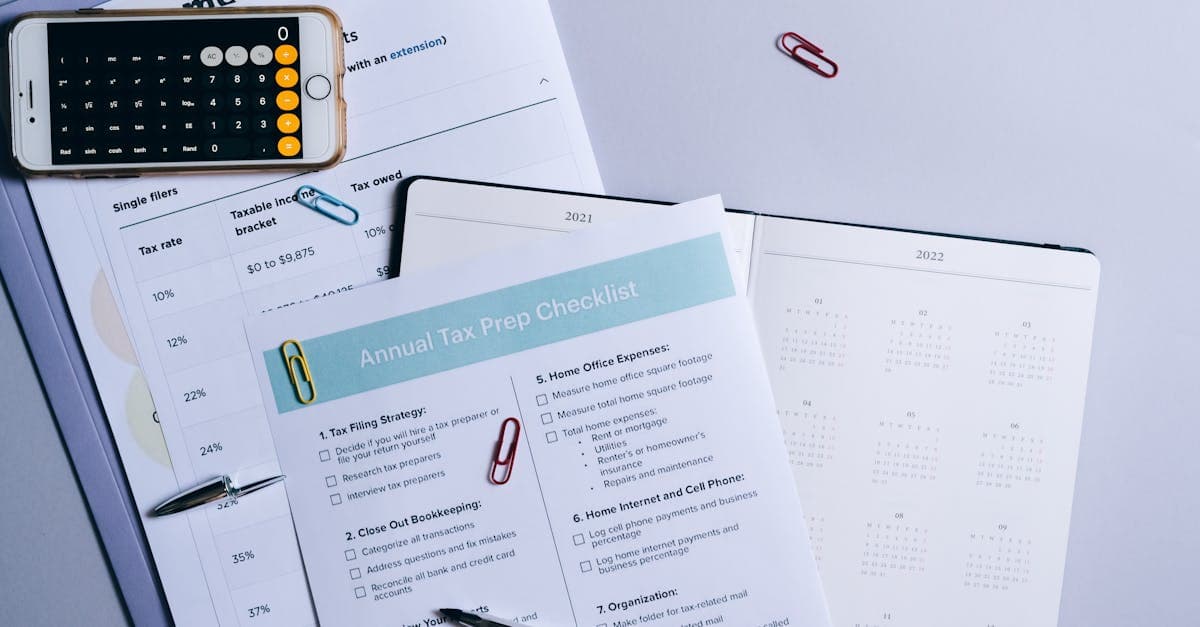
Your annual renewal notice is a natural prompt to review your coverage. Using renewal as your checkup trigger ensures you never go more than twelve months without evaluating your protection.
Assignment of Benefits and Water Damage Claims: A Common Scenario
Water mitigation companies frequently ask homeowners to sign AOBs after pipe bursts and floods. Learn why water damage claims are the most common setting for AOB agreements.