Private Flood Insurance Options for Renters Beyond the NFIP

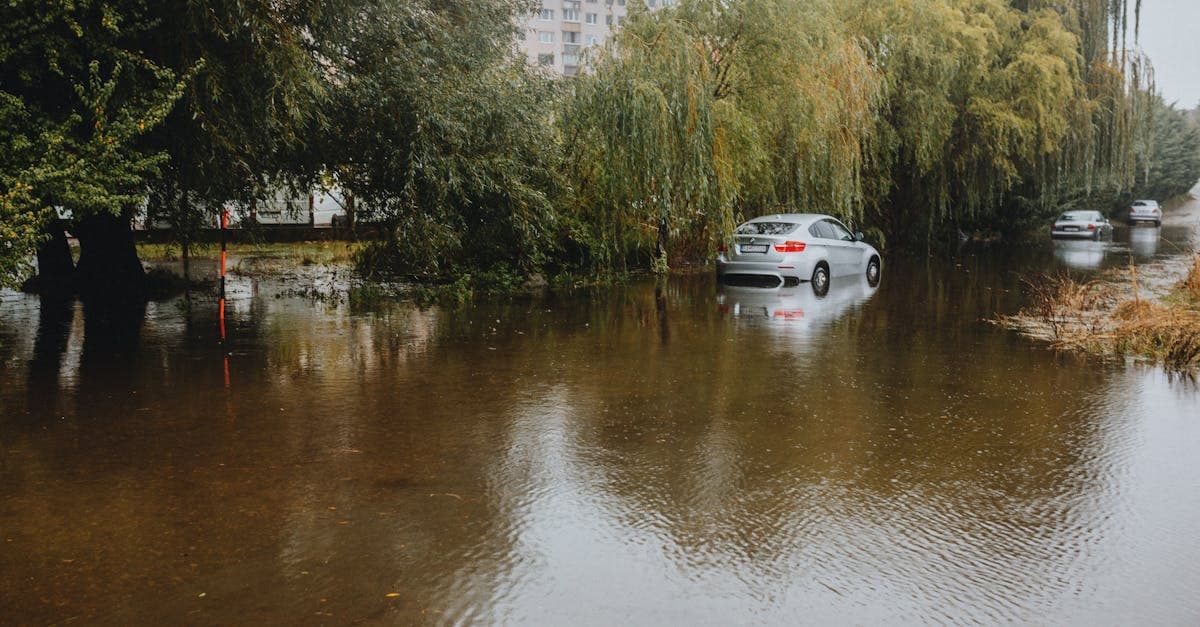
Think of your insurance coverage like a fence around your belongings. Renters insurance builds three sides — protecting against theft, fire, and accidental damage. But the fourth side is wide open. That open side is flood damage, and it is the system failure that erases a renter's belongings because the standard coverage platform was never designed to handle flood events.
Flood insurance for renters is the backup system that preserves a renter's financial stability when floodwater crashes through the gaps in standard renters coverage. It completes the protection around your belongings by covering the one major peril that renters insurance leaves completely exposed. Just as you would not feel secure with a three-sided fence, you should not feel fully protected with a renters policy that ignores rising water.
The analogy extends to cost. Building a complete fence is not dramatically more expensive than building three sides. Similarly, adding a contents-only flood policy to your existing renters insurance does not dramatically increase your total insurance cost. A few hundred dollars per year — sometimes less — completes the protection.
And consider this: you probably carry renters insurance even though you have never had a fire or a burglary. You carry it because the potential loss justifies the premium. Flood damage can be far more destructive than either of those perils, destroying everything at ground level simultaneously. If the logic of renters insurance makes sense to you, the logic of adding flood coverage should be even more compelling.
Understanding FEMA Flood Zones as a Renter
When we analyze the data, FEMA flood zones affect your flood risk and insurance costs regardless of whether you own or rent. Understanding these designations helps renters evaluate their exposure and make informed coverage decisions.
High-risk zones (Zone A and Zone V): These zones have a 1 percent or greater annual chance of flooding. Zone A covers inland high-risk areas. Zone V covers coastal areas subject to storm surge and wave action. Renters in these zones face the highest flood exposure and benefit most from contents-only flood coverage.
Moderate-risk zones (Shaded Zone X, Zone B): These zones have a 0.2 percent annual chance of flooding. The risk is lower but still meaningful over the course of a multi-year lease. Premiums for contents-only policies in these zones are very affordable, making voluntary purchase a practical decision.
Low-risk zones (Unshaded Zone X, Zone C): These zones have minimal flood risk based on FEMA mapping. However, FEMA data shows that more than 25 percent of flood claims come from outside high-risk zones. Low-risk designation does not mean zero risk, especially given changing climate and development patterns.
How your zone affects your premium: Your FEMA flood zone is one factor in determining your contents-only premium. Under Risk Rating 2.0, individual property characteristics matter more than zone designation alone. Two rental properties in the same zone may have different premiums based on elevation, proximity to water, and other factors.
Finding your rental property's flood zone: Check your property's flood zone using FEMA's Flood Map Service Center at msc.fema.gov. Enter your rental address to view the current flood zone designation. This information helps you understand your risk level and estimate potential premium costs.
Zone changes and reclassification: FEMA periodically updates flood maps, and your rental property's zone designation can change. Reclassification from a low-risk to a high-risk zone increases both your exposure and your insurance costs. Purchasing coverage before any reclassification locks in lower premiums.
Contents-Only Flood Policies: How They Work for Renters
The statistics paint a clear picture. Understanding contents-only flood policies starts with the backup system that preserves a renter's financial stability when floodwater crashes through the gaps in standard renters coverage. These policies are specifically designed for tenants and others who need to insure personal property without covering the building structure.
What contents-only covers: A contents-only flood policy covers personal belongings damaged by flooding. This includes furniture, electronics, clothing, appliances, kitchen items, bedding, curtains, and other personal property. It does not cover the building structure, walls, floors, or built-in fixtures — those are the landlord's responsibility.
NFIP contents coverage limits: The NFIP offers contents-only coverage up to $100,000. Renters select their desired coverage amount based on the total value of their personal property. You do not need to insure for the full $100,000 — choose an amount that reflects what you actually own.
How claims are valued: Standard NFIP contents coverage pays actual cash value, which accounts for depreciation. A five-year-old television is not paid at its original purchase price but at its depreciated value. Some private flood insurers offer replacement cost coverage that pays the full cost to buy a comparable new item.
Deductible options: Contents-only policies include a deductible — the amount you pay out of pocket before insurance kicks in. NFIP deductibles for contents range from $1,000 to $10,000. A higher deductible reduces your annual premium but increases your cost when filing a claim.
What triggers coverage: Flood insurance responds when rising water from an external source enters your rental unit and damages personal property. This includes overflow from rivers and streams, storm surge, surface water runoff, and mudflow. The water must come from outside your home — internal water events like burst pipes are covered by renters insurance, not flood insurance.
Understanding FEMA Flood Zones as a Renter
When we analyze the data, FEMA flood zones affect your flood risk and insurance costs regardless of whether you own or rent. Understanding these designations helps renters evaluate their exposure and make informed coverage decisions.
High-risk zones (Zone A and Zone V): These zones have a 1 percent or greater annual chance of flooding. Zone A covers inland high-risk areas. Zone V covers coastal areas subject to storm surge and wave action. Renters in these zones face the highest flood exposure and benefit most from contents-only flood coverage.
Moderate-risk zones (Shaded Zone X, Zone B): These zones have a 0.2 percent annual chance of flooding. The risk is lower but still meaningful over the course of a multi-year lease. Premiums for contents-only policies in these zones are very affordable, making voluntary purchase a practical decision.
Low-risk zones (Unshaded Zone X, Zone C): These zones have minimal flood risk based on FEMA mapping. However, FEMA data shows that more than 25 percent of flood claims come from outside high-risk zones. Low-risk designation does not mean zero risk, especially given changing climate and development patterns.
How your zone affects your premium: Your FEMA flood zone is one factor in determining your contents-only premium. Under Risk Rating 2.0, individual property characteristics matter more than zone designation alone. Two rental properties in the same zone may have different premiums based on elevation, proximity to water, and other factors.
Finding your rental property's flood zone: Check your property's flood zone using FEMA's Flood Map Service Center at msc.fema.gov. Enter your rental address to view the current flood zone designation. This information helps you understand your risk level and estimate potential premium costs.
Zone changes and reclassification: FEMA periodically updates flood maps, and your rental property's zone designation can change. Reclassification from a low-risk to a high-risk zone increases both your exposure and your insurance costs. Purchasing coverage before any reclassification locks in lower premiums.
Flood Insurance When Relocating to a New Rental
The statistics paint a clear picture. Renters relocate more frequently than homeowners, and each move creates new flood insurance considerations. Understanding how to manage flood coverage during transitions ensures continuous protection.
Research flood risk before choosing a rental: Before signing a lease in a new area, check the FEMA flood zone for any prospective rental property. Compare flood zones between potential rentals. A property in a lower-risk zone costs less to insure and reduces your overall flood exposure.
Ask the right questions: Before renting, ask the landlord or property manager whether the property has ever flooded, whether the building has flood insurance, what flood mitigation systems are in place, and whether the lease requires tenant flood insurance. These answers inform your coverage decisions.
Transferring your policy: If you have an existing flood insurance policy and move to a new rental, contact your insurer about transferring coverage. Policy transfer rules vary between NFIP and private insurers. A seamless transfer avoids triggering a new waiting period and maintains continuous coverage.
New area, new risk assessment: Each rental location has different flood characteristics. A property that was in Zone X at your previous rental may be in Zone A at your new one. Updated your coverage amount and review your premium for the new location's risk profile.
Timing your purchase: If you are moving to a new rental and need new flood coverage, account for the 30-day NFIP waiting period. Purchase coverage at least 30 days before your move-in date to ensure the policy is active when you take possession of the new rental.
Cancellation of existing coverage: If you are leaving a rental and will not need flood coverage at your new location, you can cancel your flood policy. If you may need coverage again in the future, consider whether maintaining the policy avoids future waiting period complications. NFIP policies can be cancelled with a prorated premium refund.
Private Flood Insurance for Renters: Beyond the NFIP
The statistics paint a clear picture. The private flood insurance market has expanded significantly, and renters now have alternatives to the NFIP that may offer broader coverage, different pricing, and additional benefits worth considering.
Growing availability: Private flood insurers have entered the contents-only market as data analytics and catastrophe modeling improve. More companies now offer standalone contents flood policies for renters, creating competition that benefits consumers through better coverage and pricing.
Replacement cost coverage: Unlike NFIP policies that pay actual cash value, some private flood policies offer replacement cost coverage for contents. This means you receive the full cost to replace damaged items with new equivalents, without depreciation deductions. For renters with newer belongings, this can mean significantly higher claim payments.
Additional living expenses: Some private flood policies include coverage for additional living expenses — the cost of temporary housing and living costs while your rental unit is uninhabitable due to flood damage. NFIP contents-only policies do not include this benefit, making private policies potentially more valuable for renters.
Higher coverage limits: While the NFIP caps contents coverage at $100,000, some private flood insurers offer higher limits. Renters with valuable belongings, home office equipment, or extensive personal property may benefit from limits above the NFIP maximum.
Potentially shorter waiting periods: Some private flood insurers offer shorter waiting periods than the NFIP's standard 30 days. This can be valuable for renters who need coverage activated more quickly, though specific waiting period terms vary by insurer.
Comparing options: Request quotes from both the NFIP and at least one private flood insurer. Compare not just premiums but also valuation method, additional living expense coverage, coverage limits, deductible options, claims handling reputation, and financial stability. The best choice depends on your specific belongings, budget, and coverage priorities.
Documenting Your Belongings for Flood Insurance Purposes
When we analyze the data, A detailed inventory of your personal property serves two critical purposes — it helps you select the right coverage amount and it supports full claim payment when you file after a flood.
Why documentation matters: After a flood, you will need to list every damaged item, describe its condition before the flood, and provide evidence of its value. Without documentation, you may underreport losses or struggle to support your claim amounts. Pre-flood documentation makes the claims process faster, smoother, and more complete.
Room-by-room inventory: Walk through every room in your rental unit and list every item of value. Include furniture, electronics, appliances, clothing, kitchen items, bedding, decorative items, and stored belongings. Note the item description, approximate purchase date, original cost, and estimated current value.
Photographic and video evidence: Take photos or video of every room showing your belongings in place. Open closets, drawers, and cabinets to document contents. These visual records prove what you owned and its condition before the flood. Store copies in the cloud or on a device kept outside your home.
Receipts and purchase records: Save receipts for major purchases. Digital receipts in email accounts are automatically stored off-site. For items without receipts, credit card and bank statements can provide purchase documentation.
Estimating total value: Add up the replacement cost of all your documented belongings. This total helps you select an appropriate contents-only coverage amount. Most renters are surprised to find that their belongings are worth far more than they estimated — $15,000 to $40,000 is common even for modestly furnished rentals.
Updating your inventory: Update your inventory when you make significant purchases or dispose of items. An annual review takes less than an hour and keeps your documentation current. When you file a claim, current documentation produces the most accurate and complete recovery.
Private Flood Insurance for Renters: Beyond the NFIP
The statistics paint a clear picture. The private flood insurance market has expanded significantly, and renters now have alternatives to the NFIP that may offer broader coverage, different pricing, and additional benefits worth considering.
Growing availability: Private flood insurers have entered the contents-only market as data analytics and catastrophe modeling improve. More companies now offer standalone contents flood policies for renters, creating competition that benefits consumers through better coverage and pricing.
Replacement cost coverage: Unlike NFIP policies that pay actual cash value, some private flood policies offer replacement cost coverage for contents. This means you receive the full cost to replace damaged items with new equivalents, without depreciation deductions. For renters with newer belongings, this can mean significantly higher claim payments.
Additional living expenses: Some private flood policies include coverage for additional living expenses — the cost of temporary housing and living costs while your rental unit is uninhabitable due to flood damage. NFIP contents-only policies do not include this benefit, making private policies potentially more valuable for renters.
Higher coverage limits: While the NFIP caps contents coverage at $100,000, some private flood insurers offer higher limits. Renters with valuable belongings, home office equipment, or extensive personal property may benefit from limits above the NFIP maximum.
Potentially shorter waiting periods: Some private flood insurers offer shorter waiting periods than the NFIP's standard 30 days. This can be valuable for renters who need coverage activated more quickly, though specific waiting period terms vary by insurer.
Comparing options: Request quotes from both the NFIP and at least one private flood insurer. Compare not just premiums but also valuation method, additional living expense coverage, coverage limits, deductible options, claims handling reputation, and financial stability. The best choice depends on your specific belongings, budget, and coverage priorities.
Documenting Your Belongings for Flood Insurance Purposes
When we analyze the data, A detailed inventory of your personal property serves two critical purposes — it helps you select the right coverage amount and it supports full claim payment when you file after a flood.
Why documentation matters: After a flood, you will need to list every damaged item, describe its condition before the flood, and provide evidence of its value. Without documentation, you may underreport losses or struggle to support your claim amounts. Pre-flood documentation makes the claims process faster, smoother, and more complete.
Room-by-room inventory: Walk through every room in your rental unit and list every item of value. Include furniture, electronics, appliances, clothing, kitchen items, bedding, decorative items, and stored belongings. Note the item description, approximate purchase date, original cost, and estimated current value.
Photographic and video evidence: Take photos or video of every room showing your belongings in place. Open closets, drawers, and cabinets to document contents. These visual records prove what you owned and its condition before the flood. Store copies in the cloud or on a device kept outside your home.
Receipts and purchase records: Save receipts for major purchases. Digital receipts in email accounts are automatically stored off-site. For items without receipts, credit card and bank statements can provide purchase documentation.
Estimating total value: Add up the replacement cost of all your documented belongings. This total helps you select an appropriate contents-only coverage amount. Most renters are surprised to find that their belongings are worth far more than they estimated — $15,000 to $40,000 is common even for modestly furnished rentals.
Updating your inventory: Update your inventory when you make significant purchases or dispose of items. An annual review takes less than an hour and keeps your documentation current. When you file a claim, current documentation produces the most accurate and complete recovery.
Take Action: Get Renters Flood Insurance Today
Knowing that renters can buy flood insurance is only useful if you act on that knowledge. Here is what to do right now.
First, contact your renters insurance agent and ask specifically about contents-only flood insurance. Request quotes from both the NFIP and any private flood insurers they represent. Compare coverage, valuation methods, deductibles, and premiums.
Second, inventory your personal belongings. Walk through every room, photograph everything, and estimate total replacement costs. This exercise both informs your coverage selection and prepares you for a future claim.
Third, do the math. Compare the annual premium — often a few hundred dollars or less — against the replacement cost of your belongings. If you cannot comfortably absorb a $15,000 to $40,000 loss, flood insurance is a smart purchase.
Flood insurance for renters is running a complete coverage scan that identifies and patches the flood insurance gap most renters never know they have. The tenants who are glad they purchased it are the ones who filed claims after a flood. The rest enjoy affordable peace of mind. Either way, the decision is worth one phone call and the cost of a few coffees per month.
Continue reading

Coverage Limits Compared: How to Spot the Differences Between Insurance Quotes
Two quotes with identical premiums can have vastly different coverage limits. Knowing how to identify and compare these limits ensures you select the policy that actually protects your assets.
Why Your Policy Renewal Date Is the Perfect Time for a Checkup
Your annual renewal notice is a natural prompt to review your coverage. Using renewal as your checkup trigger ensures you never go more than twelve months without evaluating your protection.

Assignment of Benefits and Water Damage Claims: A Common Scenario
Water mitigation companies frequently ask homeowners to sign AOBs after pipe bursts and floods. Learn why water damage claims are the most common setting for AOB agreements.