What Percentage of Flood Claims Come From Outside High-Risk Zones?

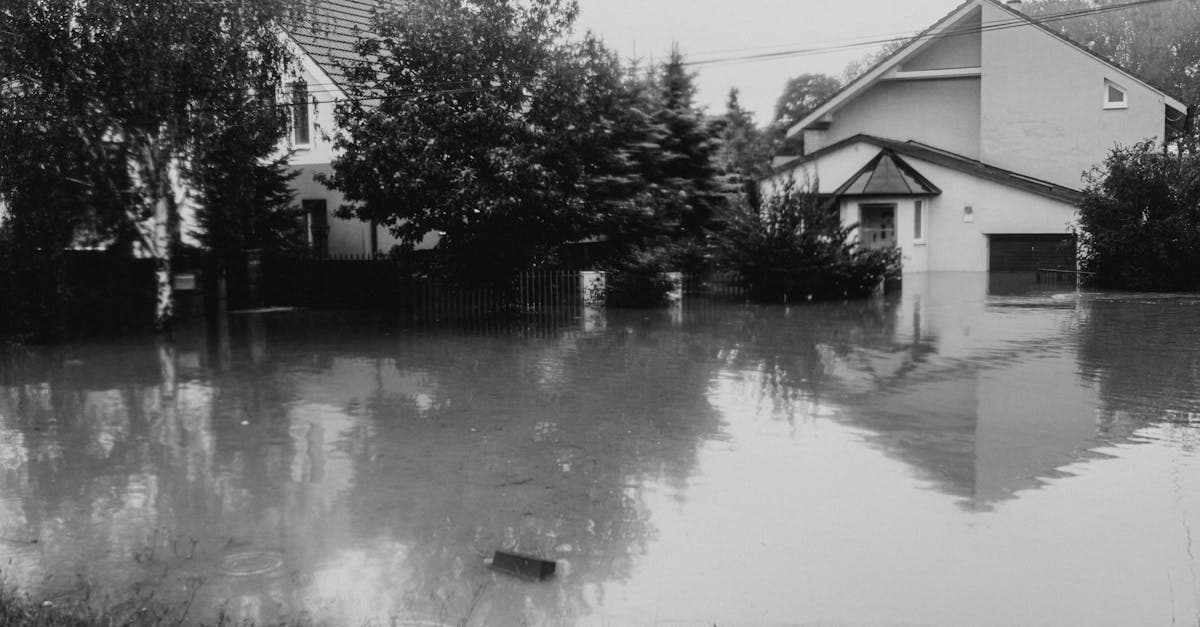
Think of FEMA flood zones like weather forecasts — they tell you the probability of something happening, not a guarantee of what will or will not occur. A 20 percent chance of rain still produces a downpour for plenty of people who left their umbrellas at home. A low-risk flood designation still delivers floodwater to thousands of homes every year.
Flood insurance outside high-risk zones is the backup system that protects your data even when your primary systems appear stable and secure. It protects against the system vulnerability that hackers exploit precisely because the network administrator assumed the risk was negligible. Just as you carry auto insurance even when you are a safe driver — because other drivers, road conditions, and random events create risk beyond your control — flood insurance protects against water events driven by rainfall, drainage, infrastructure, and terrain that you cannot control.
The analogy extends further. Auto insurance does not become unnecessary because you have never had an accident. Health insurance does not become irrelevant because you are currently healthy. And flood insurance does not become wasteful because you live outside a high-risk zone. Each of these coverages protects against events that may be improbable in any given year but are devastating when they occur.
The cost difference reinforces the analogy. Flood insurance in low-risk zones is affordable precisely because the risk is lower — just as safe drivers pay less for auto insurance. You are getting protection at a discount rate. The question is not whether you can afford flood insurance outside a high-risk zone — it is whether you can afford not to have it when unexpected flooding arrives.
What Flood Damage Actually Costs: The Financial Impact Without Insurance
When we analyze the data, Understanding the financial scope of flood damage helps homeowners outside high-risk zones evaluate whether the cost of flood insurance is justified. The numbers consistently show that even minor flooding events create major expenses.
The one-inch rule: FEMA estimates that just one inch of water in a home causes approximately $25,000 in damage. This includes flooring replacement, drywall repair or replacement up to the water line, baseboard and trim replacement, electrical outlet replacement, and professional drying and sanitization.
Moderate flooding costs: Three to six inches of water in a home typically causes $30,000 to $60,000 in damage. At this depth, damage extends higher on walls, affects more fixtures, and may damage lower kitchen cabinets, HVAC systems at ground level, and stored belongings.
Significant flooding costs: Twelve inches or more of water can cause $50,000 to $100,000 or more in damage. At this depth, entire ground floor finishes are destroyed, most appliances are damaged, and structural components like insulation and subflooring are compromised.
Basement flooding costs: Finished basement flooding is particularly expensive because it affects the entire finished space — flooring, drywall, built-in features, entertainment systems, and mechanical equipment. Professional basement flood restoration typically costs $10,000 to $50,000 depending on the finish level and flood depth.
Hidden costs: Beyond visible damage, flooding creates hidden costs including mold remediation, extended drying with commercial equipment, temporary displacement, increased utility costs, and the time and stress of managing repairs. These costs add 20 to 40 percent beyond the direct physical damage estimates.
Federal disaster assistance reality: Many homeowners expect federal assistance after flooding. In reality, disaster assistance is only available when a presidential disaster declaration is issued, averages approximately $5,000, typically comes as a low-interest SBA loan that must be repaid, and takes weeks or months to process. It is not a substitute for insurance.
The Reality of Flood Risk Outside High-Risk Zones
The statistics paint a clear picture. Understanding flood risk outside high-risk zones starts with the backup system that protects your data even when your primary systems appear stable and secure. FEMA classifies flood zones based on the annual probability of flooding, but probability is not destiny — and lower probability does not mean no exposure.
Zone X and what it means: Zone X on FEMA flood maps encompasses both moderate-risk and minimal-risk areas. Shaded Zone X indicates a 0.2 percent annual chance of flooding — roughly a 6 percent chance over a 30-year mortgage. Unshaded Zone X indicates even lower probability, but the risk is not zero.
Why low-probability events matter: A 0.2 percent annual probability may sound negligible, but over 30 years of homeownership, probabilities accumulate. And when flooding does occur, the damage costs are the same regardless of the probability — a flooded home is a flooded home whether it sits in Zone A or Zone X.
Sources of flooding outside floodplains: Heavy rainfall that overwhelms drainage systems creates flooding in any location. Flash floods from intense storms strike without regard for flood zones. Urban runoff from impervious surfaces pools in areas with poor drainage. And groundwater rising from saturated soil can flood basements far from any surface water.
The changing risk landscape: Climate change is shifting precipitation patterns, intensifying storms, and creating flooding in areas with no flood history. FEMA maps updated on 10 to 20-year cycles cannot keep pace with these changes, meaning your current designation may understate your actual risk.
Development impacts: New construction, road building, and land clearing near your property can redirect water flow and increase the volume and speed of runoff. What was once a well-drained area can become flood-prone after upstream development changes the water equation.
What Flood Damage Actually Costs: The Financial Impact Without Insurance
When we analyze the data, Understanding the financial scope of flood damage helps homeowners outside high-risk zones evaluate whether the cost of flood insurance is justified. The numbers consistently show that even minor flooding events create major expenses.
The one-inch rule: FEMA estimates that just one inch of water in a home causes approximately $25,000 in damage. This includes flooring replacement, drywall repair or replacement up to the water line, baseboard and trim replacement, electrical outlet replacement, and professional drying and sanitization.
Moderate flooding costs: Three to six inches of water in a home typically causes $30,000 to $60,000 in damage. At this depth, damage extends higher on walls, affects more fixtures, and may damage lower kitchen cabinets, HVAC systems at ground level, and stored belongings.
Significant flooding costs: Twelve inches or more of water can cause $50,000 to $100,000 or more in damage. At this depth, entire ground floor finishes are destroyed, most appliances are damaged, and structural components like insulation and subflooring are compromised.
Basement flooding costs: Finished basement flooding is particularly expensive because it affects the entire finished space — flooring, drywall, built-in features, entertainment systems, and mechanical equipment. Professional basement flood restoration typically costs $10,000 to $50,000 depending on the finish level and flood depth.
Hidden costs: Beyond visible damage, flooding creates hidden costs including mold remediation, extended drying with commercial equipment, temporary displacement, increased utility costs, and the time and stress of managing repairs. These costs add 20 to 40 percent beyond the direct physical damage estimates.
Federal disaster assistance reality: Many homeowners expect federal assistance after flooding. In reality, disaster assistance is only available when a presidential disaster declaration is issued, averages approximately $5,000, typically comes as a low-interest SBA loan that must be repaid, and takes weeks or months to process. It is not a substitute for insurance.
Flood Mitigation Measures That Complement Insurance Coverage
The statistics paint a clear picture. While flood insurance provides financial protection, physical mitigation measures reduce the likelihood and severity of flood damage. The most effective strategy combines insurance coverage with practical prevention steps.
Maintain proper grading: The ground around your foundation should slope away from your home at a rate of at least one inch per foot for the first six feet. Proper grading directs surface water away from your foundation and reduces the risk of water pooling against basement walls.
Clean and extend gutters and downspouts: Gutters collect roof runoff and downspouts direct it away from your foundation. Ensure gutters are clean and functional, and extend downspouts at least four to six feet from your foundation. Downspout extensions are inexpensive and highly effective.
Install and maintain sump pumps: If your home has a basement or crawl space, a sump pump system provides active protection against groundwater intrusion. Install a battery backup system to maintain protection during power outages, which often coincide with severe storms.
Seal foundation cracks: Even small cracks in your foundation can allow water intrusion during heavy saturation. Hydraulic cement, epoxy injection, and professional waterproofing seal these entry points and reduce basement flooding risk.
Install backflow prevention valves: A backflow prevention valve on your sewer line prevents sewage from backing up into your basement through floor drains during heavy rainfall. These valves are relatively inexpensive to install and address one of the most common basement water intrusion sources.
Elevate mechanical systems: Where possible, elevate your furnace, water heater, washer, dryer, and electrical panel above potential flood levels. Elevating these critical systems reduces the financial impact of flooding even if water does enter your home.
Document your home and belongings: Maintain a current inventory of your home's features and personal property with photos and receipts. This documentation speeds the insurance claims process and ensures you receive full compensation for flood losses.
How Climate Change Is Expanding Flood Risk Beyond Traditional Zones
The statistics paint a clear picture. Climate change is fundamentally altering the flood risk landscape in ways that traditional FEMA mapping has not fully captured. Understanding these trends helps homeowners in all zones assess their evolving flood exposure — because the system vulnerability that hackers exploit precisely because the network administrator assumed the risk was negligible.
Intensifying precipitation: Warmer temperatures increase atmospheric moisture capacity, leading to more intense rainfall events. Studies show that extreme precipitation events are becoming more frequent and more severe across most of the United States, delivering more water in shorter periods.
Shifting storm patterns: Traditional storm tracks are changing, bringing heavy rainfall to areas that historically experienced less precipitation. Communities that designed drainage infrastructure for historical rainfall patterns are discovering that current storms exceed design capacity.
Sea level rise and coastal effects: Even for homes not directly on the coast, sea level rise reduces the capacity of coastal drainage systems and raises water tables in near-coastal areas. These effects extend flood risk inland beyond traditional coastal flood zones.
Urban heat island effects: Urban areas absorb and retain heat, which can intensify convective storms. Cities are experiencing more frequent and more intense rainfall events that overwhelm storm drainage systems designed for historical conditions.
Compound events: Climate change is increasing the likelihood of compound flood events — situations where multiple factors combine, such as heavy rainfall during high tide, rain-on-snow events, or sequential storms that saturate soil before additional precipitation arrives.
The forward-looking perspective: Purchasing flood insurance based on historical risk alone may understate your future exposure. Climate trends suggest that flood risk is increasing in most areas, making current low-risk designations less reliable as predictors of future flooding. A proactive approach to flood insurance accounts for where risk is heading, not just where it has been.
Basement Flooding in Low-Risk Areas: Protection and Coverage
When we analyze the data, Basements are the most vulnerable part of any home when it comes to water intrusion, and basement flooding occurs in low-risk areas far more often than most homeowners realize. Understanding the coverage options for basement flooding helps protect one of your home's most valuable spaces.
Why basements flood in low-risk areas: Heavy rainfall saturates the soil around your foundation, and hydrostatic pressure forces water through cracks, joints, and porous concrete. Rising water tables during wet periods can push water up through basement floors. And overwhelmed storm drains can send water flowing into window wells and basement entrances.
What NFIP flood insurance covers in basements: NFIP coverage for basements is more limited than for above-grade spaces. It covers structural elements like foundation walls and floors, essential equipment like furnaces, water heaters, and electrical panels, and cleanup costs. It does not cover finished improvements like drywall, paneling, carpet, or built-in cabinets below the lowest elevated floor.
What private flood insurance may cover: Some private flood insurers offer broader basement coverage than the NFIP, including coverage for finished basement improvements. If you have a finished basement, a private flood policy with basement coverage may provide significantly more protection than an NFIP policy.
Sewer backup coverage for basements: If water enters your basement through floor drains or sewer connections, sewer backup coverage on your homeowners policy responds. This coverage may pay for damage to finished basement spaces that flood insurance does not cover, depending on the water source.
Prevention measures: While insurance provides financial protection, prevention reduces the likelihood of claims. Maintaining sump pumps with battery backup, sealing foundation cracks, ensuring proper grading around your foundation, and maintaining gutters and downspouts all reduce basement flood risk.
The coverage strategy: For homes with finished basements in low-risk areas, the most comprehensive strategy combines flood insurance for structural and equipment coverage, sewer backup coverage for drain-related water intrusion, and a private flood policy that covers finished basement improvements if available.
How Climate Change Is Expanding Flood Risk Beyond Traditional Zones
The statistics paint a clear picture. Climate change is fundamentally altering the flood risk landscape in ways that traditional FEMA mapping has not fully captured. Understanding these trends helps homeowners in all zones assess their evolving flood exposure — because the system vulnerability that hackers exploit precisely because the network administrator assumed the risk was negligible.
Intensifying precipitation: Warmer temperatures increase atmospheric moisture capacity, leading to more intense rainfall events. Studies show that extreme precipitation events are becoming more frequent and more severe across most of the United States, delivering more water in shorter periods.
Shifting storm patterns: Traditional storm tracks are changing, bringing heavy rainfall to areas that historically experienced less precipitation. Communities that designed drainage infrastructure for historical rainfall patterns are discovering that current storms exceed design capacity.
Sea level rise and coastal effects: Even for homes not directly on the coast, sea level rise reduces the capacity of coastal drainage systems and raises water tables in near-coastal areas. These effects extend flood risk inland beyond traditional coastal flood zones.
Urban heat island effects: Urban areas absorb and retain heat, which can intensify convective storms. Cities are experiencing more frequent and more intense rainfall events that overwhelm storm drainage systems designed for historical conditions.
Compound events: Climate change is increasing the likelihood of compound flood events — situations where multiple factors combine, such as heavy rainfall during high tide, rain-on-snow events, or sequential storms that saturate soil before additional precipitation arrives.
The forward-looking perspective: Purchasing flood insurance based on historical risk alone may understate your future exposure. Climate trends suggest that flood risk is increasing in most areas, making current low-risk designations less reliable as predictors of future flooding. A proactive approach to flood insurance accounts for where risk is heading, not just where it has been.
Basement Flooding in Low-Risk Areas: Protection and Coverage
When we analyze the data, Basements are the most vulnerable part of any home when it comes to water intrusion, and basement flooding occurs in low-risk areas far more often than most homeowners realize. Understanding the coverage options for basement flooding helps protect one of your home's most valuable spaces.
Why basements flood in low-risk areas: Heavy rainfall saturates the soil around your foundation, and hydrostatic pressure forces water through cracks, joints, and porous concrete. Rising water tables during wet periods can push water up through basement floors. And overwhelmed storm drains can send water flowing into window wells and basement entrances.
What NFIP flood insurance covers in basements: NFIP coverage for basements is more limited than for above-grade spaces. It covers structural elements like foundation walls and floors, essential equipment like furnaces, water heaters, and electrical panels, and cleanup costs. It does not cover finished improvements like drywall, paneling, carpet, or built-in cabinets below the lowest elevated floor.
What private flood insurance may cover: Some private flood insurers offer broader basement coverage than the NFIP, including coverage for finished basement improvements. If you have a finished basement, a private flood policy with basement coverage may provide significantly more protection than an NFIP policy.
Sewer backup coverage for basements: If water enters your basement through floor drains or sewer connections, sewer backup coverage on your homeowners policy responds. This coverage may pay for damage to finished basement spaces that flood insurance does not cover, depending on the water source.
Prevention measures: While insurance provides financial protection, prevention reduces the likelihood of claims. Maintaining sump pumps with battery backup, sealing foundation cracks, ensuring proper grading around your foundation, and maintaining gutters and downspouts all reduce basement flood risk.
The coverage strategy: For homes with finished basements in low-risk areas, the most comprehensive strategy combines flood insurance for structural and equipment coverage, sewer backup coverage for drain-related water intrusion, and a private flood policy that covers finished basement improvements if available.
Take Action on Flood Insurance Today
Understanding flood risk outside high-risk zones is only valuable if you translate that knowledge into action. Here is what to do right now.
First, contact your insurance agent and request a flood insurance quote. Ask about both the NFIP Preferred Risk Policy and any private flood insurance options available for your property. Compare coverage, limits, deductibles, and premiums.
Second, research your property's actual flood history and risk factors. Check FEMA flood maps, review local flood event records, and evaluate your lot's drainage, elevation, and proximity to waterways or areas prone to ponding.
Third, consider the financial calculation. A few hundred dollars per year in premiums protects against potential losses of $25,000 to $100,000 or more. If you cannot comfortably absorb a five-figure unexpected expense, flood insurance provides critical financial protection.
Flood insurance outside a high-risk zone is running a comprehensive risk assessment that goes beyond surface-level flood zone designations to reveal true exposure. The homeowners who are glad they purchased it are the ones whose homes flooded. The rest simply enjoy affordable peace of mind. Either way, the decision is worth a phone call and thirty minutes of your time.
Continue reading

Coverage Limits Compared: How to Spot the Differences Between Insurance Quotes
Two quotes with identical premiums can have vastly different coverage limits. Knowing how to identify and compare these limits ensures you select the policy that actually protects your assets.

Why Your Policy Renewal Date Is the Perfect Time for a Checkup
Your annual renewal notice is a natural prompt to review your coverage. Using renewal as your checkup trigger ensures you never go more than twelve months without evaluating your protection.

Assignment of Benefits and Water Damage Claims: A Common Scenario
Water mitigation companies frequently ask homeowners to sign AOBs after pipe bursts and floods. Learn why water damage claims are the most common setting for AOB agreements.